Coffee in Fredonia
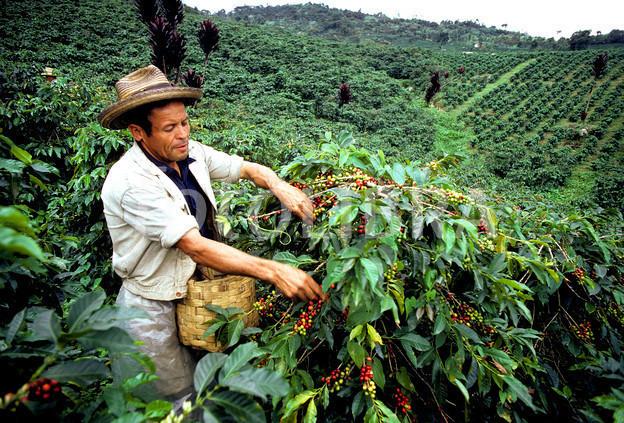
Coffee culture
Thanks to their cultural legacy and economic impact, Antioquia’s coffee growers have become a key attraction for cultural tourism in Colombia, offering visitors the chance to enjoy authentic experiences and discover the richness of Colombian coffee in unique natural settings.
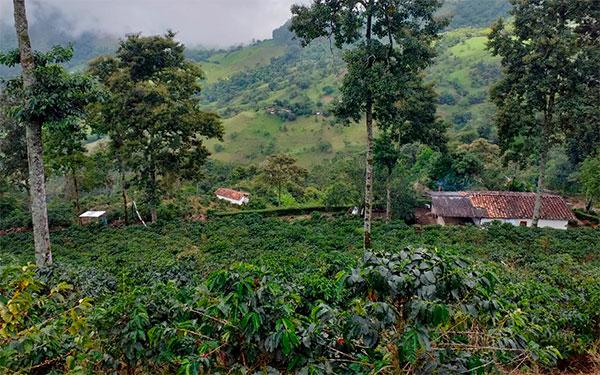
The Estate
Coffee farming has become a form of rural and experiential tourism in Colombia, allowing visitors to learn firsthand about the traditional techniques used by coffee farmers and to participate in sustainable agricultural activities.
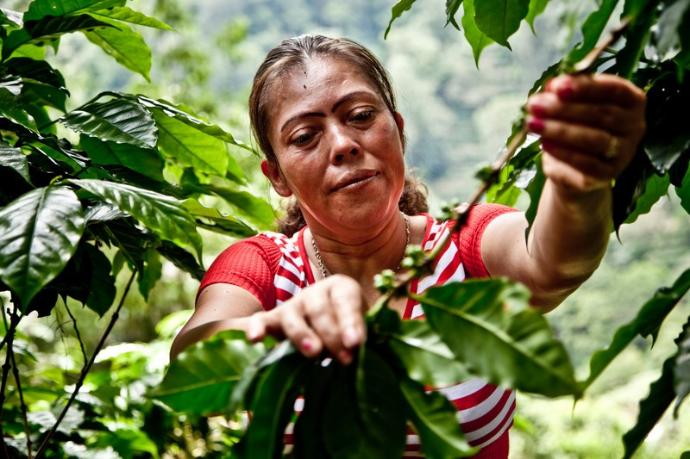
The Chapoleras
Coffee-growing villages have become a major tourist attraction in Colombia, ideal for those looking for things to do in Medellín and its surrounding towns, offering a chance to experience authentic traditions, coffee-growing landscapes, and the region’s rich culture.
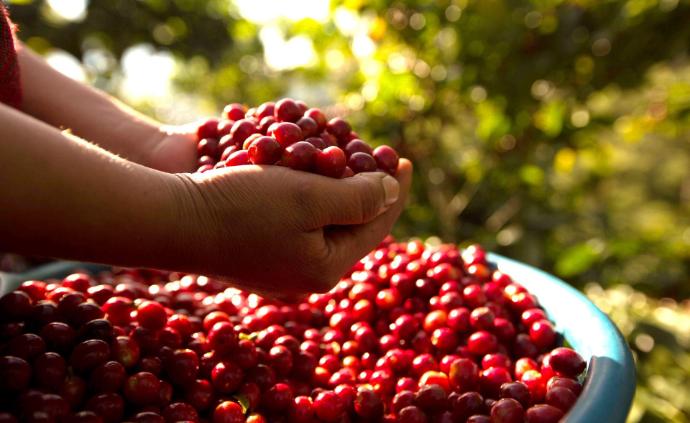
The Cultivation
Coffee picking has become a form of rural and experiential tourism in Colombia, where visitors can learn the traditional techniques used by coffee farmers and “chapoleras,” actively participating in the harvesting and sorting of the beans.
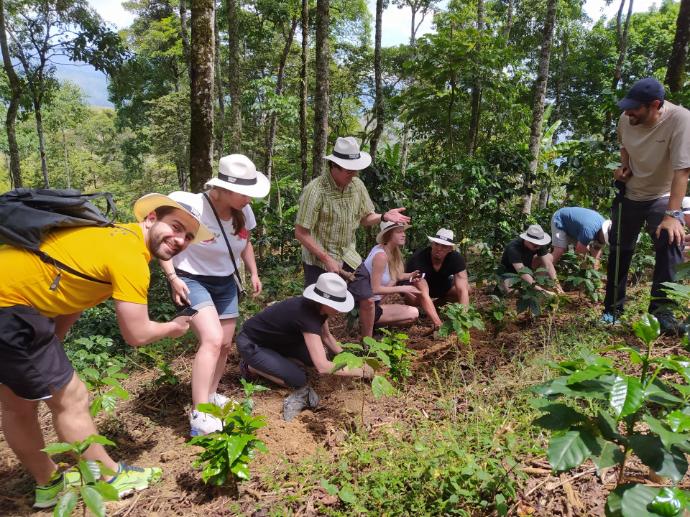
The Sowing
Planting coffee is the first step in a process that combines knowledge, patience, and a deep connection with nature. On a traditional coffee farm, each tree represents years of family labor and a commitment to preserving a tradition that has shaped the identity of Colombia’s mountains.
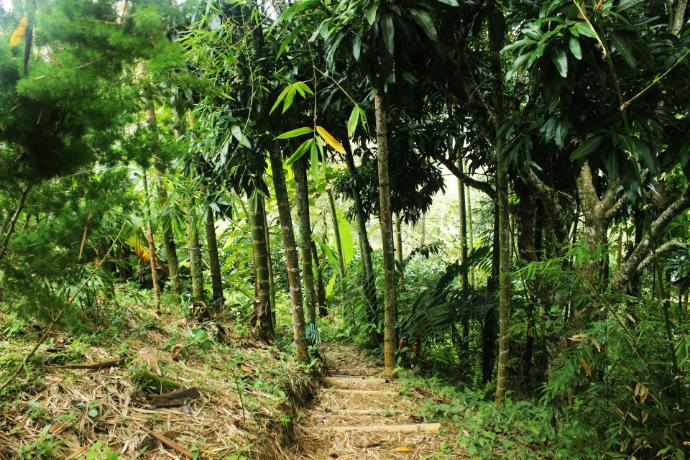
The Trail
Nature trails on a coffee farm are a must-see attraction for rural tourism in Antioquia. These eco-trails wind through coffee plantations, native forests, and mountainous landscapes, offering visitors a close-up look at some of the world’s finest coffees.
Fredonia is one of the pioneering municipalities for coffee growing in Antioquia. During the 19th century, its natural conditions and the entrepreneurial spirit of its inhabitants drove coffee cultivation, fostering its expansion across the southwestern region of Antioquia and making it a key engine of the area's economic, social, and cultural development..