S
Railway in Cisneros
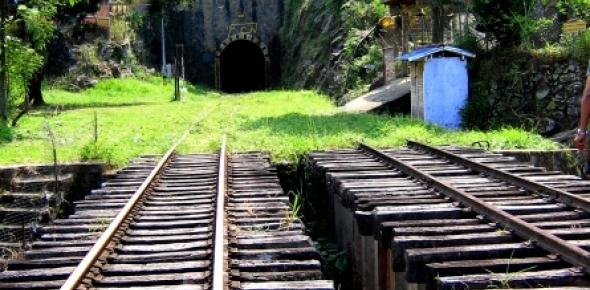
The Medium
During the 20th century, the Antioquia Railway was one of the most important projects for the economic and territorial transformation of the department. Its lines overcame the isolation imposed by the mountains and connected Medellín with productive regions, inland towns, and routes to the Magdalena River.
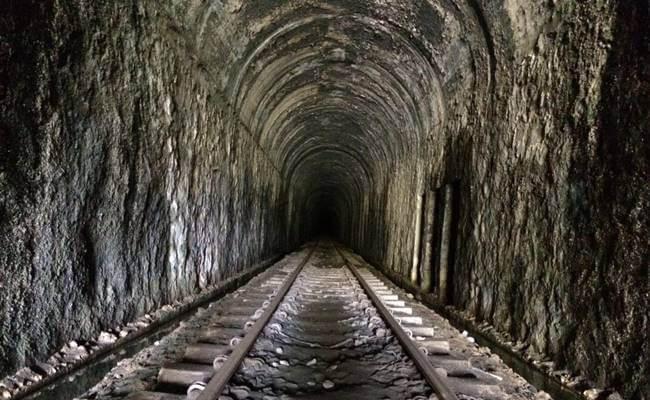
The Solution
Today, the La Quiebra Tunnel is one of the great symbols of Antioquian ingenuity and perseverance. Its history represents an era in which engineering, the railroad, and a vision of progress transformed the landscape into an opportunity to connect territories and open new possibilities for economic development.
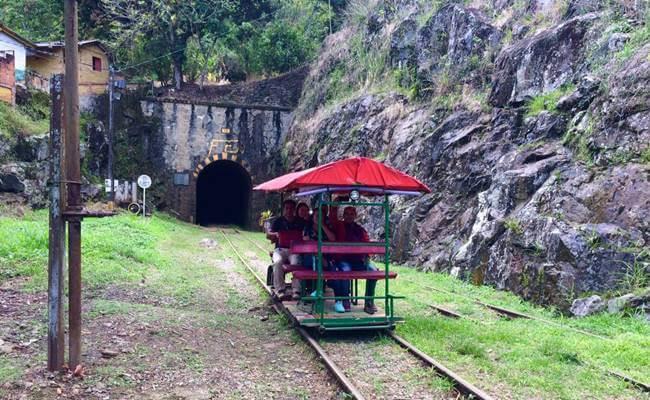
The Obstacle
For years, the Alto de La Quiebra pass was one of the greatest challenges to the integration of Antioquia. Its rugged mountains separated Medellín from the Northeast and from the routes to the Magdalena River. The construction of the tunnel made it possible to overcome this obstacle and connect the department.
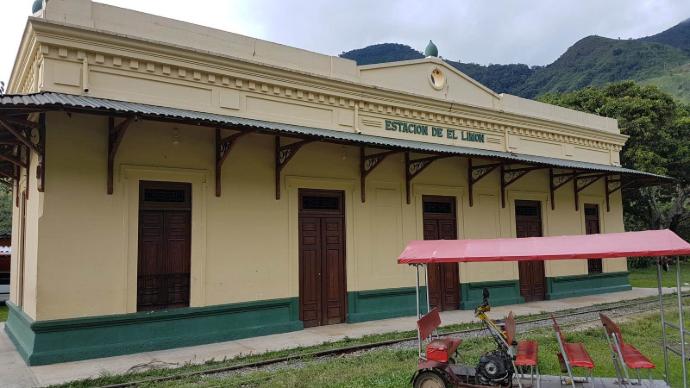
Railway stations
Passengers, agricultural products, and goods passed through the stations, connecting Antioquia with international markets via the Magdalena River. Municipalities like Cisneros grew in tandem with the passage of the train, while their stations became symbols of progress and modernization.
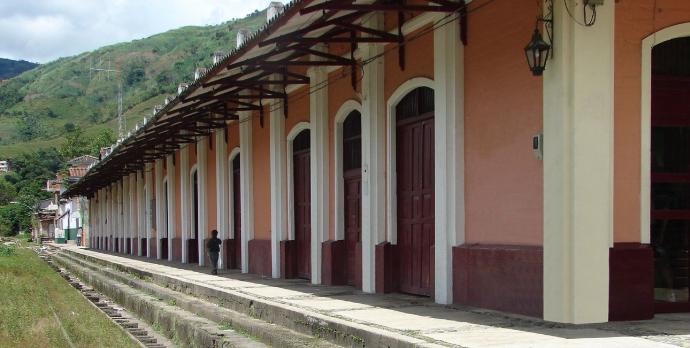
Transformación de Antioquia
The opening of the La Quiebra Tunnel strengthened Cisneros' importance by consolidating the rail connection between Medellín and the Magdalena River. For much of the 20th century, the town lived to the rhythm of the locomotives and became one of the main symbols of Antioquia's railway history.
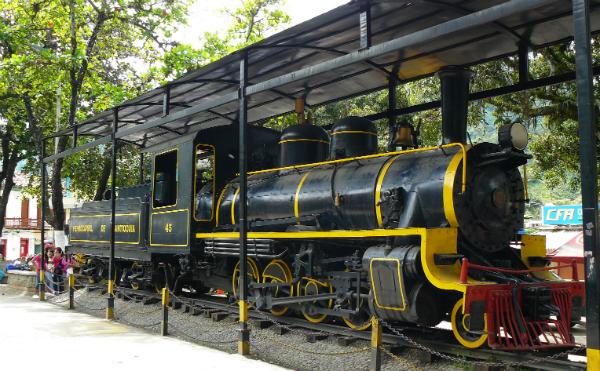
The Locomotive
In the era when the train was the main means of connection between Medellín and the routes to the Magdalena River, the locomotives transported passengers, coffee, and goods that fueled economic growth. Today, Locomotive 45 serves as a reminder of a time when Cisneros lived to the rhythm of the train. .
Cisneros is one of the municipalities whose history is most closely linked to the Antioquia Railway. Its growth was directly tied to the construction of the railway line, which aimed to connect Medellín with the Magdalena River and open up new possibilities for trade and the integration of Antioquia. Warehouses, shops, homes, and new economic opportunities sprang up along the tracks as the municipality established itself as a strategic point on the route connecting Medellín to the Magdalena. Its history is also linked to the immense challenge of constructing the La Quiebra tunnel.