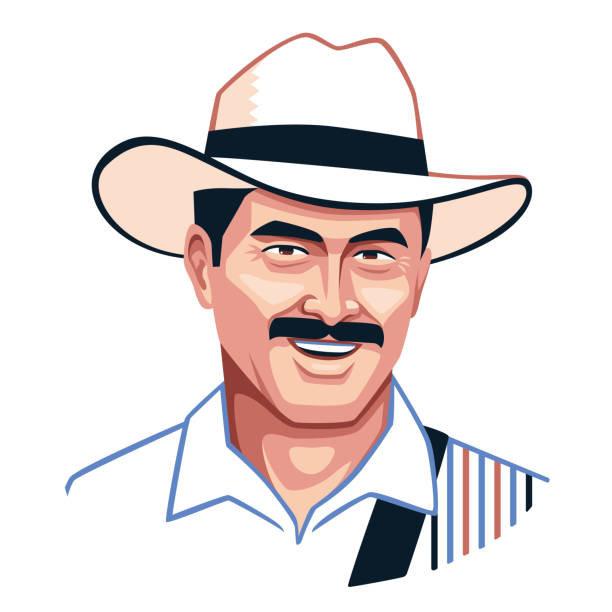
International visits represent an opportunity to project your organization's image and showcase the best of Medellín and Antioquia. Beyond meetings, conferences, or institutional activities, a well-designed experience strengthens relationships with clients, strategic partners, speakers, and foreign delegations, leaving a positive impression of the destination and the host organization. Our goal is for each visitor not only to participate in an event but also to discover a city internationally recognized for its innovation, hospitality, and cultural richness. We design cultural experiences that complement the institutional agenda and allow each international guest to learn about the history, heritage, and identity of Medellín and Antioquia, strengthening the host organization's image and forging lasting connections with its visitors..
Heritage and History
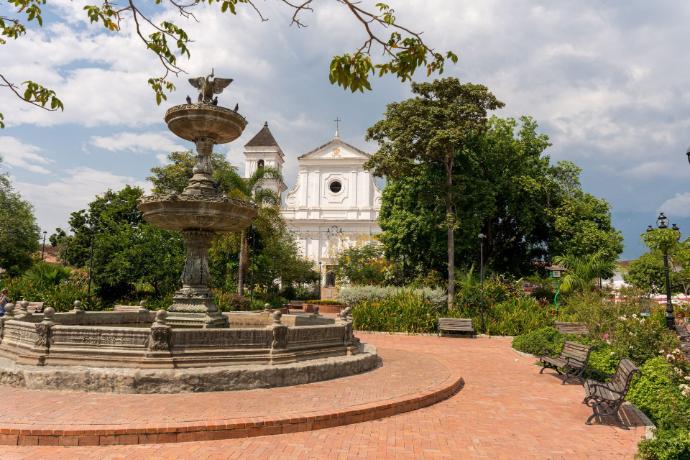
Colonial Legacy
The former provincial capital, it preserves much of its colonial heritage through its cobblestone streets, historic churches, plazas, and mansions with wide corridors and balconies built during the 17th, 18th, and 19th centuries. Its traditional architecture reflects its importance during the colonial era, making it a valuable testament to the region's history..
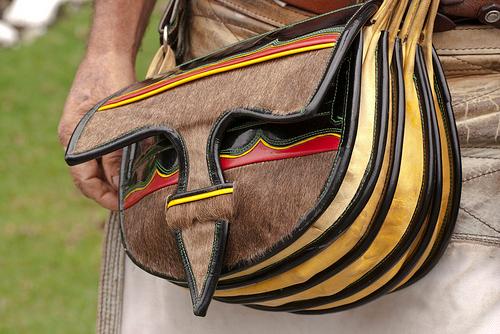
Paisa symbol
It is one of the most representative symbols of mountain culture and the identity of the Antioquia region. Traditionally made of leather by artisans from towns like Jericó, this accessory accompanied muleteers for generations on their long journeys along the bridle paths of Antioquia, allowing them to carry documents, money, tools, and personal belongings.
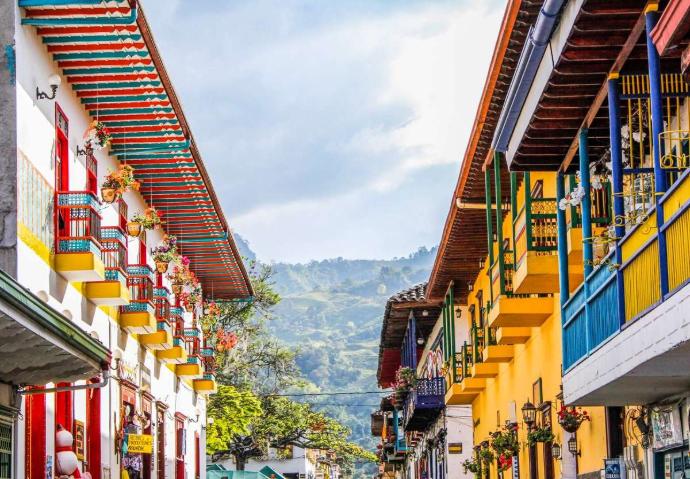
The Balconies
Balconies and garden gates are among the most representative expressions of Antioquian architecture and the legacy of Antioquian colonization. Built primarily of wood with vibrant colors and handcrafted details, balconies allowed for natural ventilation and lighting of homes, while gates facilitated the entry of pack animals and goods..
Cultural heritage
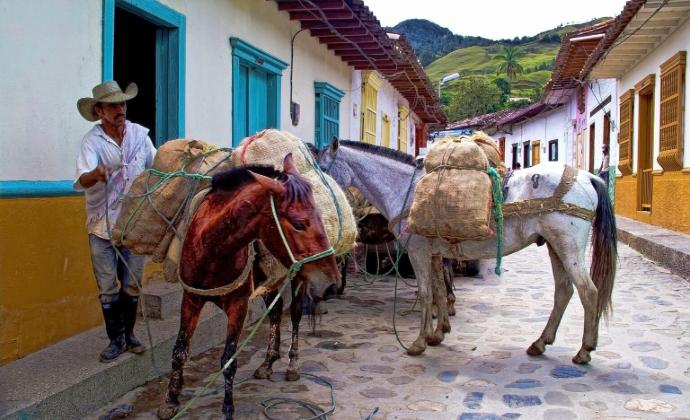
Muleteering in Titiribí played a fundamental role in the economic and social development of southwestern Antioquia. Thanks to its strategic location on old bridle paths, this municipality was an important stop for muleteers who transported coffee, panela (unrefined cane sugar), food, minerals, and other goods with their mules between the mountains of Antioquia.
Culture and Identity
Coffee Culture
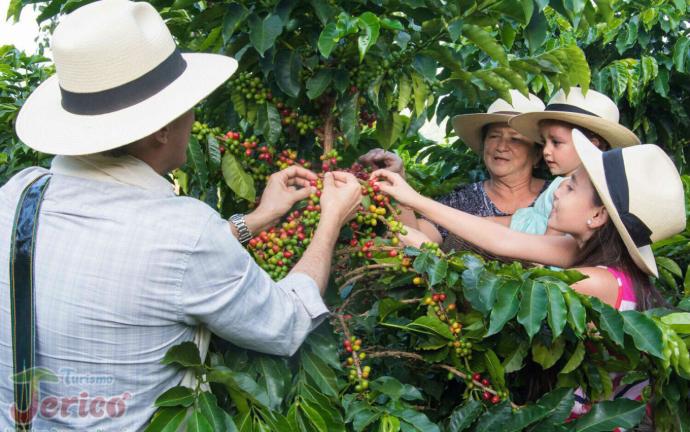
The coffee-growing tradition of Fredonia is one of the pillars of the cultural heritage of southwestern Antioquia. Thanks to its mountains, its privileged climate, and the dedication of its families, this municipality has established itself as a producer of high-quality coffee in Antioquia. Generation after generation, coffee growers have preserved knowledge about the cultivation, harvesting, processing, and drying of coffee.
The Zócalos
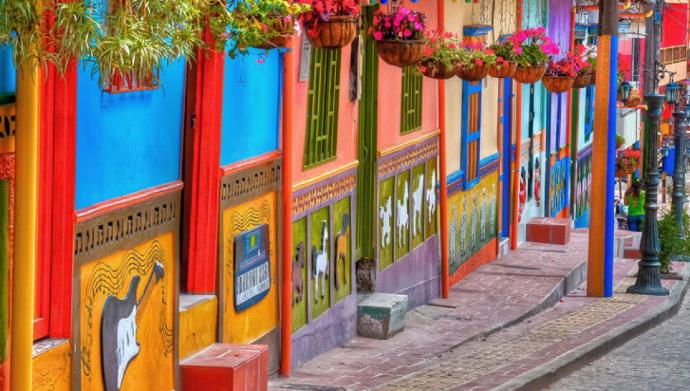
These decorative plaques, located at the base of the facades, are crafted by artisans and depict scenes of daily life, coffee traditions, muleteering, animals, and other activities of the region. More than just an ornamental element, the baseboards tell the story and customs of its inhabitants, making Guatapé a benchmark of Colombian vernacular architecture
.
Flower Culture
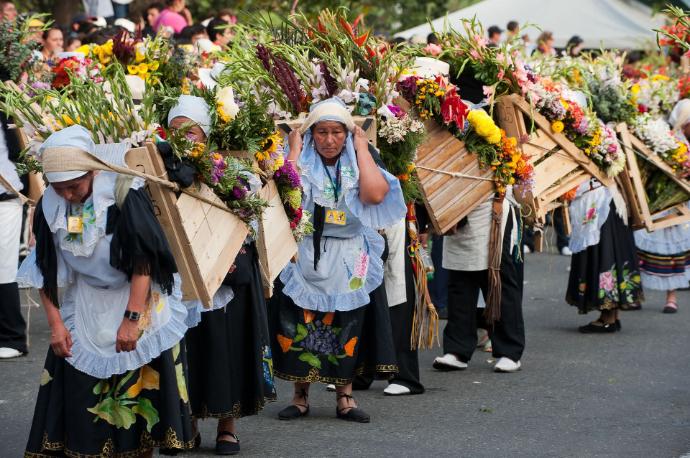
.Since the 19th century, farming families in this district of Medellín have used flower arrangements (silletas) to transport people and goods across the mountains. Over time, this practice evolved into an artistic expression based on the cultivation and arrangement of flowers, giving rise to the traditional Desfile de Silleteros (Flower Carrier Parade), recognized as a National Cultural Heritage.
Ceramics
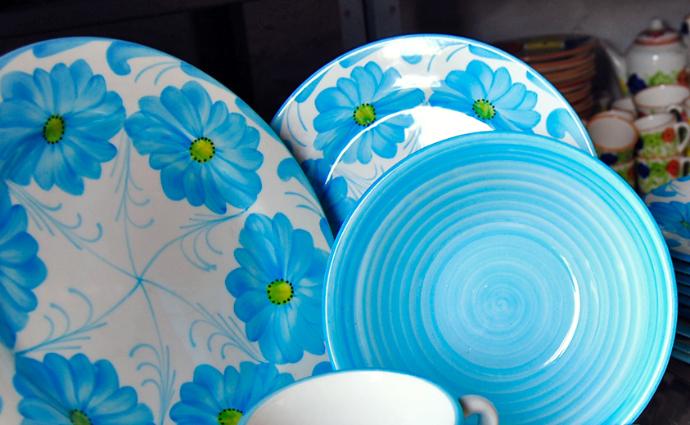
Since the late 19th century, generations of artisans have preserved the tradition of handcrafting and decorating ceramic pieces with floral motifs and vibrant colors, making each creation a unique work of art. This craft combines creativity, identity, and knowledge passed down through generations, reflecting the richness of the municipality. Today, El Carmen de Viboral is recognized as the ceramics capital of the region..
Nature and tradition
Traditions
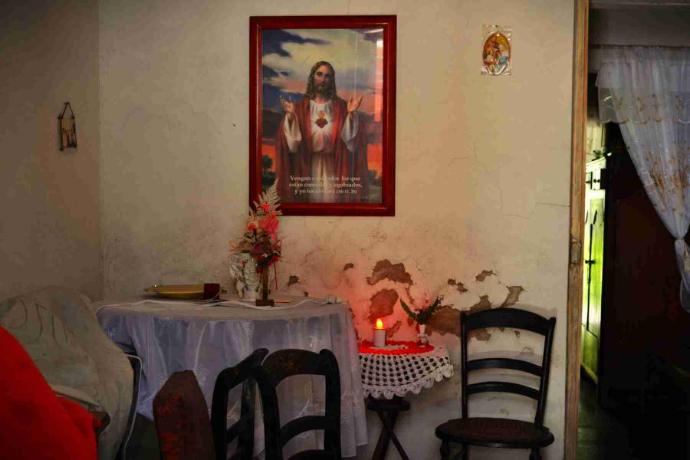
The cobblestone streets of Concepción, its traditional architecture, wooden balconies, and tranquil atmosphere reflect the history and customs of the mountain communities that forged the region's identity. The hospitality of its inhabitants, the typical cuisine, and the artisanal crafts keep the roots of the Paisa culture alive, making it an ideal destination to enjoy..
The Mountains
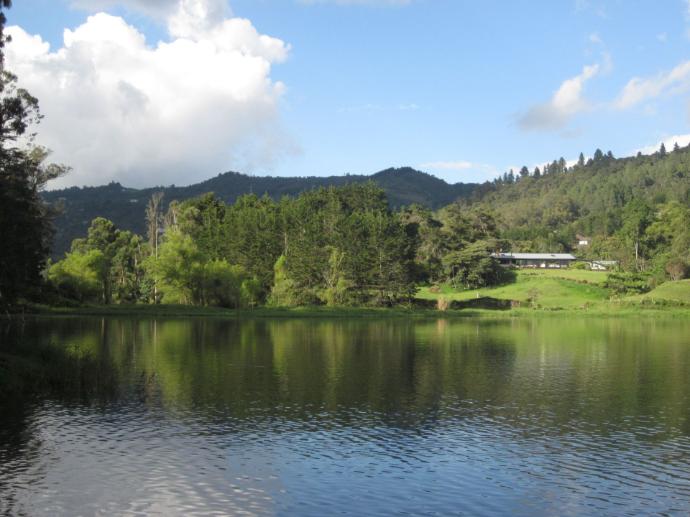
El Retiro is a privileged destination thanks to its mountains, forests, and natural landscapes, which are part of the rich environment of eastern Antioquia. Its temperate climate, crystal-clear streams, ecological trails, and ample green spaces offer an ideal setting for relaxation, connecting with nature, and enjoying outdoor activities. Surrounded by a landscape of great beauty,
Orchids
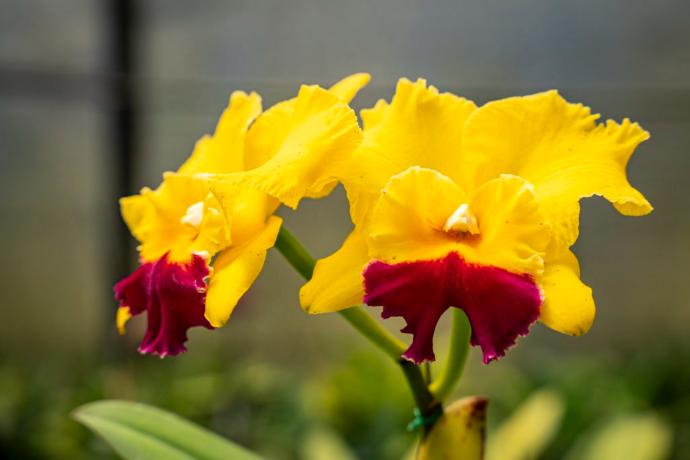
Alma del Bosque, in La Ceja, is a space dedicated to the conservation and exhibition of orchids, one of the most representative flowers of Colombian biodiversity. In a privileged natural setting, visitors can admire a wide variety of species, learn about their ecological importance, and discover the work done to protect this valuable natural heritage.
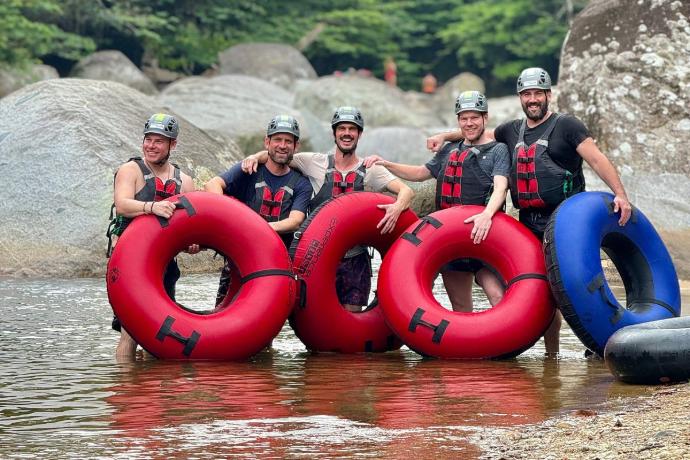
The Waterfalls
San Rafael is a privileged destination thanks to its extraordinary natural wealth, where crystal-clear rivers, streams, and rainforests create the ideal habitat for a great diversity of native orchids and other species of flora and fauna. Thanks to its climate and abundant water sources, this municipality in eastern Antioquia is a prime example of the region's biodiversity.
For the host organization, a cultural experience represents an opportunity to project an image of hospitality, professionalism, and commitment. It demonstrates an interest in offering a comprehensive agenda that combines knowledge, networking, and well-being, generating a positive perception that lasts beyond the visit. More than just showcasing a city, a cultural experience allows the sharing of the essence of Medellín and Antioquia, transforming each international encounter into an opportunity to build lasting relationships, strengthen cooperation, and position the host organization as a benchmark of excellence, hospitality, and connection with the city and the region..