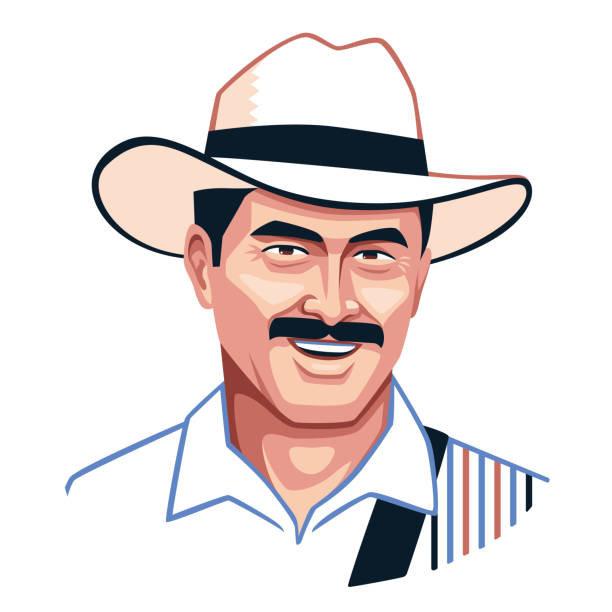
Educational field trips transform Medellín and Antioquia into a learning environment where history, territory, and culture allow students to understand how a challenging geography gave rise to a society renowned for its work ethic, entrepreneurship, innovation, and resilience. Through direct contact with heritage, landscapes, and communities, students connect classroom content with the realities of the region, strengthening critical thinking and experiential learning.
Identity construction
First settlement
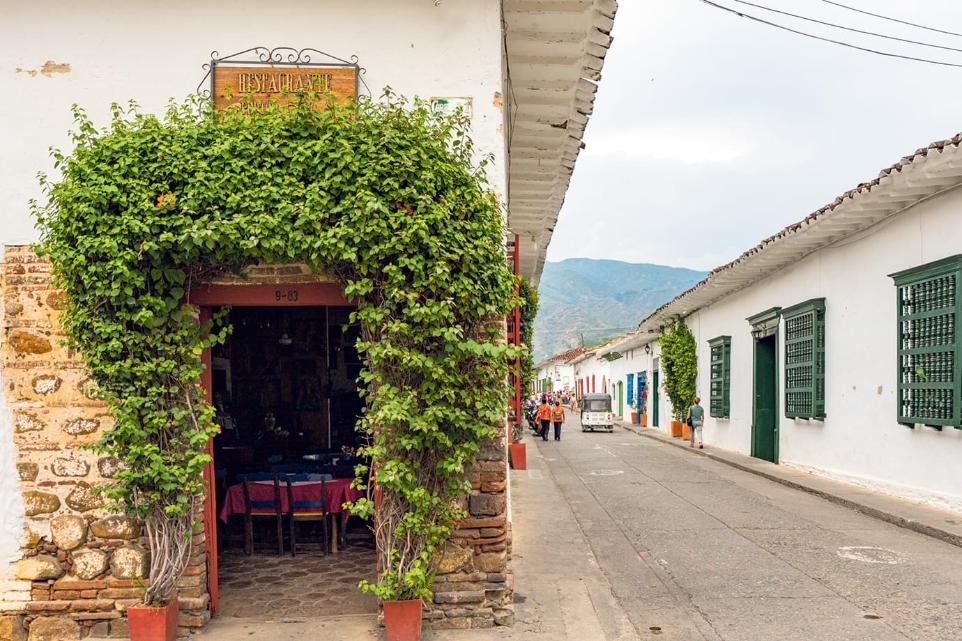
From the first half of the 16th century, Spanish conquistadors undertook expeditions into the interior of the territory in search of new routes, fertile lands, and gold deposits. The Cauca River Valley aroused great interest due to its mineral wealth and its strategic location for establishing permanent settlements that would facilitate political and economic control of the region..
Gold mining
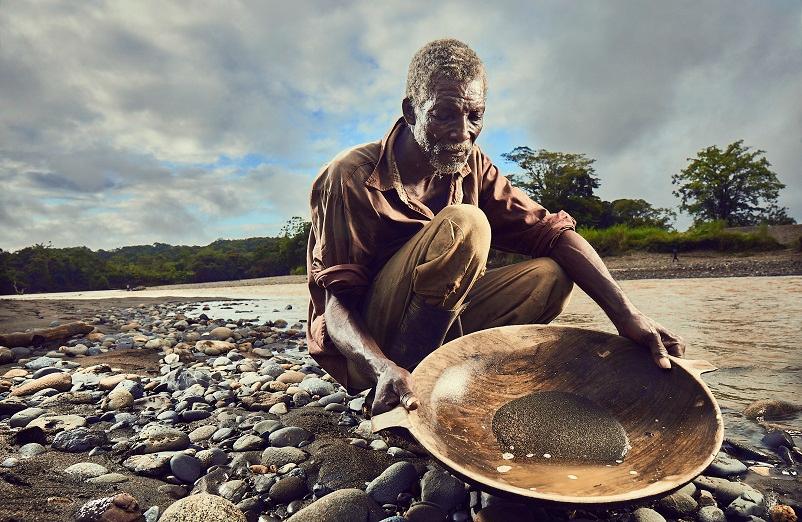
Alluvial mining was one of the most important economic activities in the province of Antioquia during the colonial era. From the 16th century onward, the search for gold spurred the arrival of Spanish conquistadors to the Cauca River valley and the mountains of Antioquia, where gold deposits found in rivers, streams, and alluvial terraces offered a significant source of wealth for the Spanish Crown.
Peasant tradition
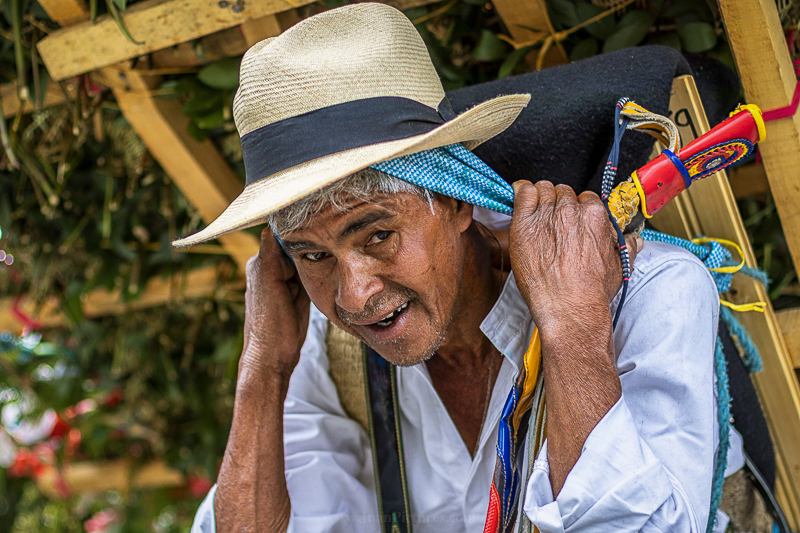
The silleteros (flower growers) tradition has its roots in the old mountain paths that, during the colonial era, connected the region to other towns in the province. In a region characterized by its rugged terrain and lack of roads, transportation depended on human effort to move people, food, and goods.
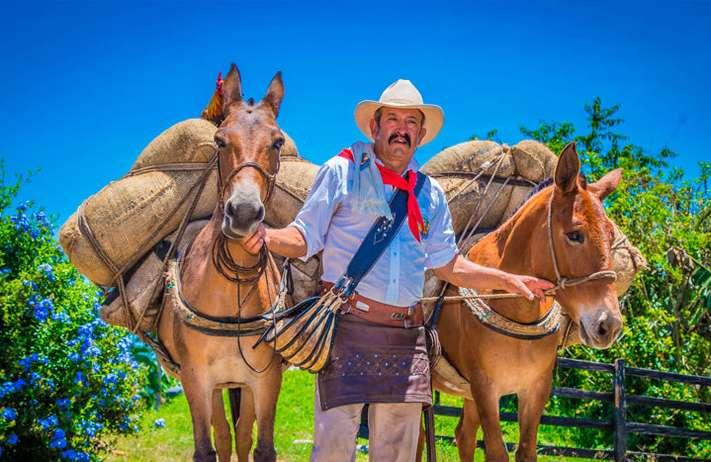
The muleteer's trade
From the early years of Spanish colonization, mules and oxen began to be used to transport food, gold, merchandise, and supplies between mining centers and settlements. Over time, this activity evolved into muleteering, a trade that would become very important in Antioquia..
Industrial development
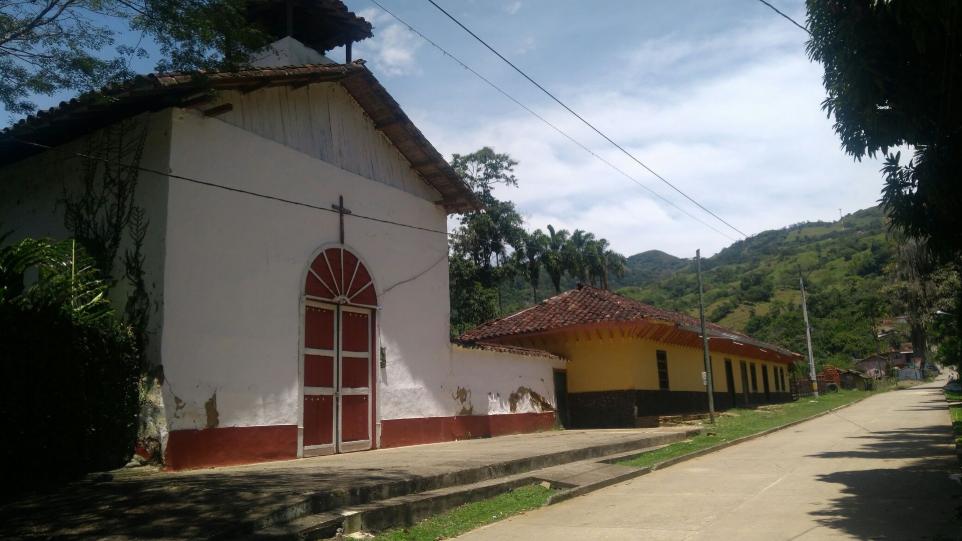
The El Zancudo Mine, located in the municipality of Titiribí, was one of the most important gold mines in Colombia during the 19th and early 20th centuries. Its development marked a turning point in the economic history of Antioquia by incorporating modern mining techniques, industrial machinery, and processing methods that transformed the region into a national benchmark for innovation and productivity.
Coffee culture
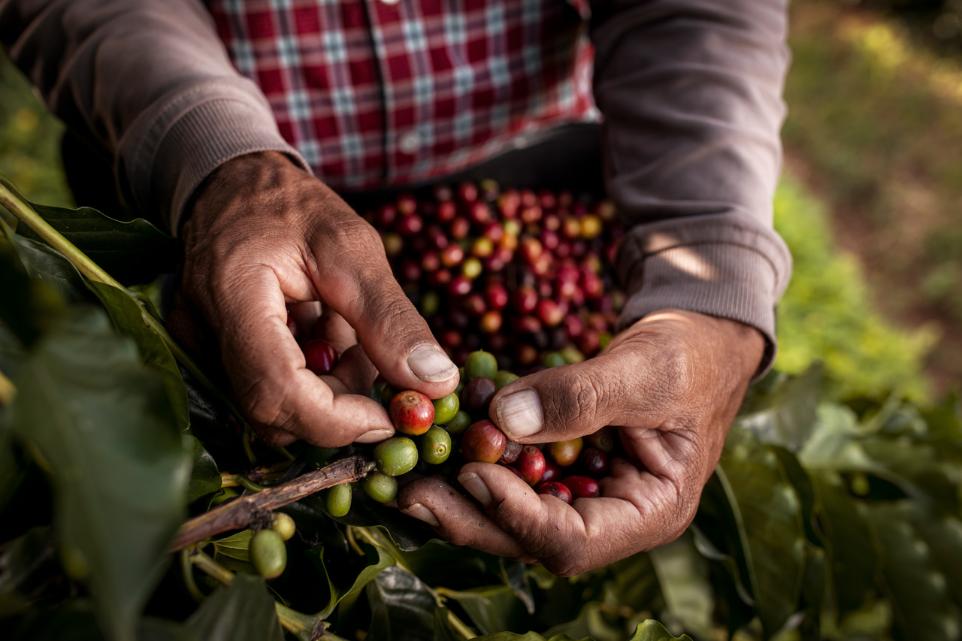
During the 19th century, coffee found ideal growing conditions in the mountains of Antioquia. Colonization processes led thousands of peasant families to settle in the southern, southwestern, and eastern parts of the department. They discovered that the temperate climate, fertile soils, abundant water, and varying altitudes offered an exceptional environment for cultivation.
Integration and development
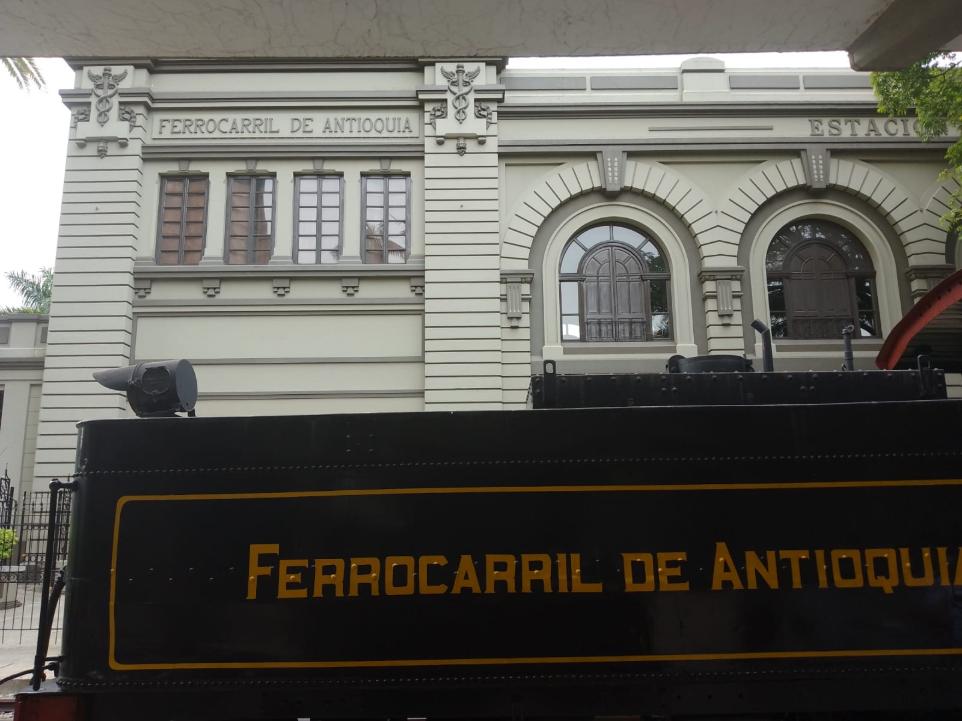
The construction of the railroad marked a turning point in the history of the department. For much of the 19th century, Antioquia remained relatively isolated from the rest of the country due to its mountainous geography, the scarcity of roads, and the difficulties in transporting people and goods. This isolation limited the region's development.
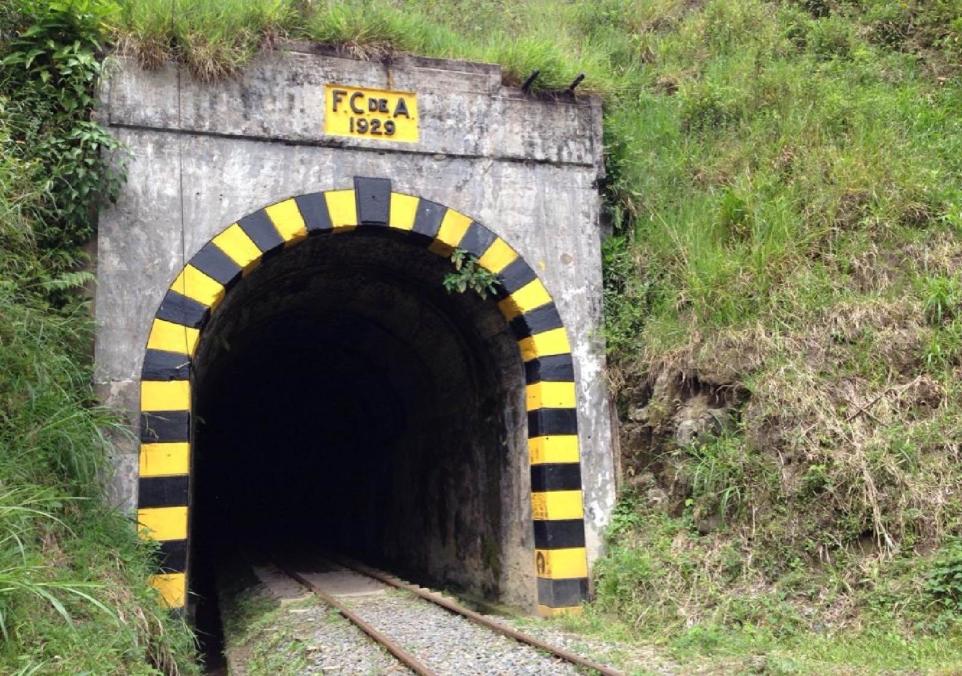
La Quiebra Heights
The La Quiebra pass was one of the biggest obstacles to regional trade. Goods had to be unloaded from the train on one side of the mountain, transported over the mountain using a makeshift system of pack animals, and then reloaded onto another train. This process increased costs, delayed transport, and limited Antioquia's capacity for economic growth.
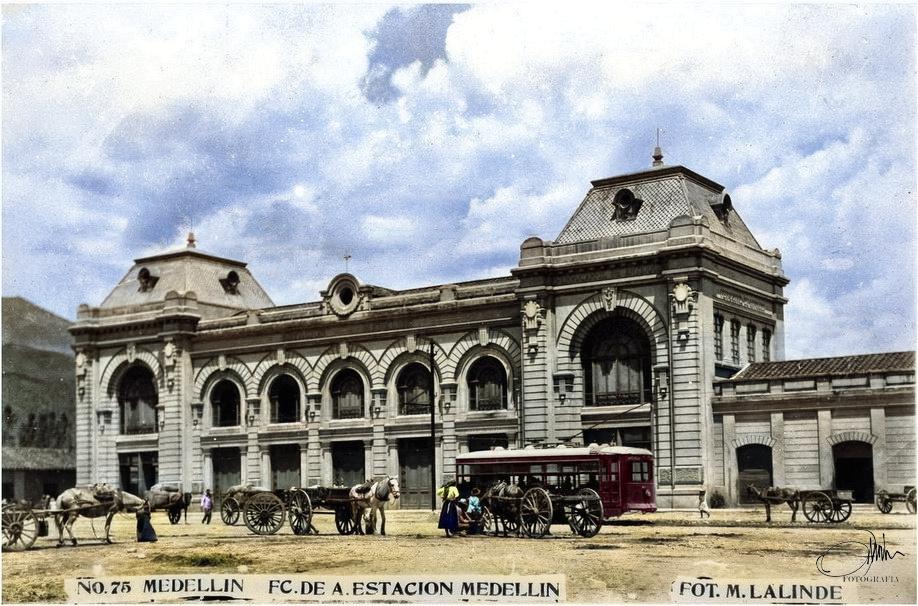
The Village
The consequences for Antioquia were profound. The department consolidated its leadership in coffee production and exports, boosted the growth of the textile and manufacturing industries, strengthened the financial system, and fostered the development of new businesses. Medellín began to establish itself as one of Colombia's main industrial and commercial centers..
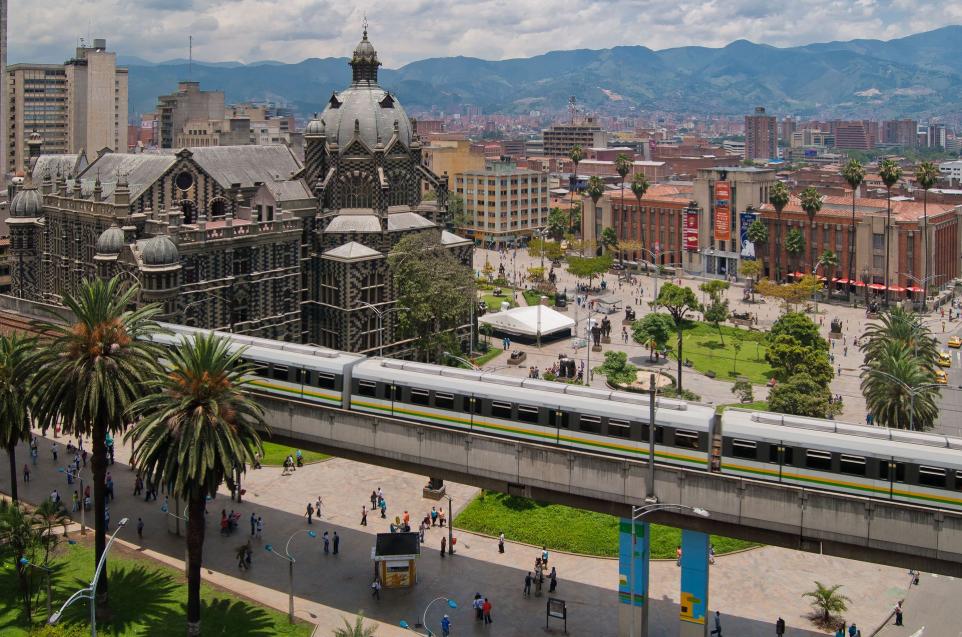
Benchmark of innovation
These projects represent a society's capacity to transform difficulties into opportunities and demonstrate that development depends not only on natural resources, but also on knowledge, perseverance, and the will to build a better future. It was a commitment to engineering, innovation, and collective work to build lasting solutions..
Learn more
Each educational field trip is designed to help students understand the relationship between territory, history, and culture through hands-on learning experiences. Our goal is to strengthen observation, critical analysis, and understanding of the processes that have shaped Antioquian identity, promoting a holistic education that extends beyond the classroom and connects participants to the living heritage of Medellín and Antioquia.