Medellín is one of Colombia’s top culinary destinations thanks to its blend of traditional Paisa cuisine, haute cuisine, international cuisine, and specialty coffee. Its restaurants, coffee shops, roasteries, and food markets offer experiences that blend flavors, tradition, and innovation, turning every visit into a journey through the culture and identity of Antioquia.
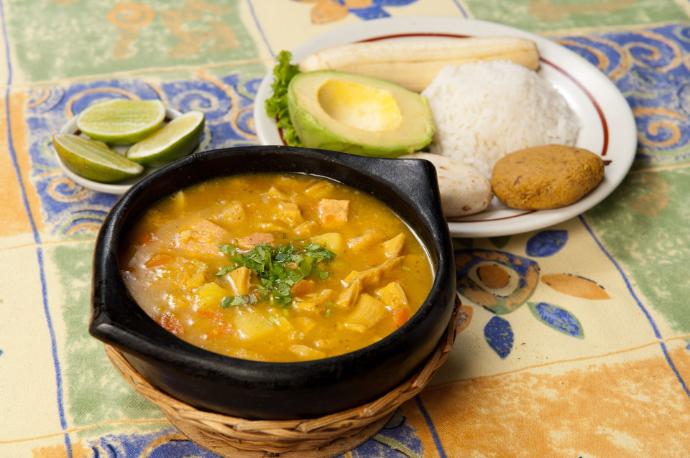
Mondongo
Among the most representative dishes of Antioquia’s cuisine is the traditional Antioquian mondongo, a hearty, flavorful soup that is an integral part of the region’s culinary identity. For those who choose to visit Medellín, trying a good bowl of mondongo is an authentic culinary experience. Tasting it is a way to connect with the culinary traditions that are part of the culture and hospitality of this region of Colombia.
Recommended
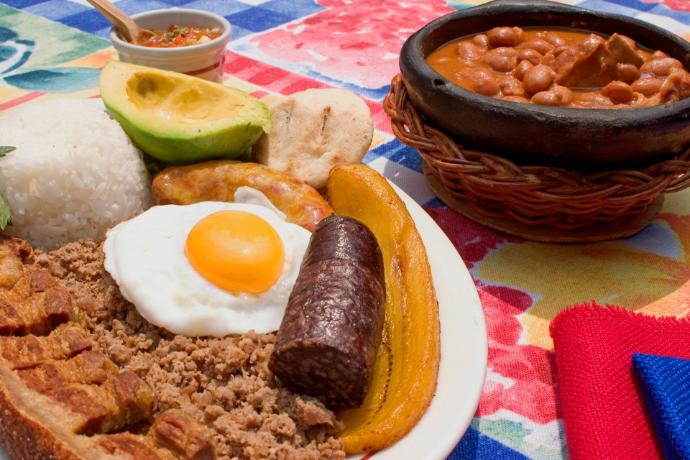
Bandeja Paisa
This iconic dish, typical of Paisa culture, combines various ingredients that represent the rural traditions of the Antioquia region: cargamanto beans, white rice, ground beef, crispy pork rinds, chorizo, a fried egg, ripe plantain, arepa, and avocado. Its origins are linked to the lives of the old mule drivers and farm workers, who needed hearty, energy-packed meals to get through their long days on the road.
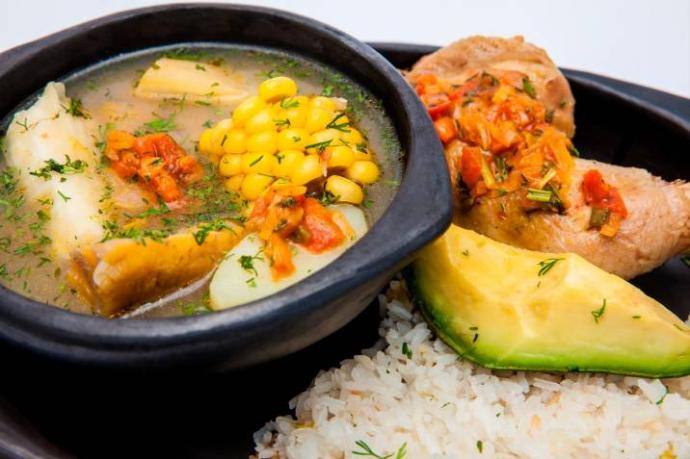
Sancocho
Although it often goes unnoticed compared to other iconic dishes, Antioquian sancocho is one of the most representative dishes of Antioquia’s cuisine. This hearty, flavorful soup is an essential part of Paisa cuisine and reflects the family and rural traditions that have shaped the region’s culinary identity. It is much more than a typical dish: it is an experience that brings families together around the table and celebrates the department’s culinary culture.
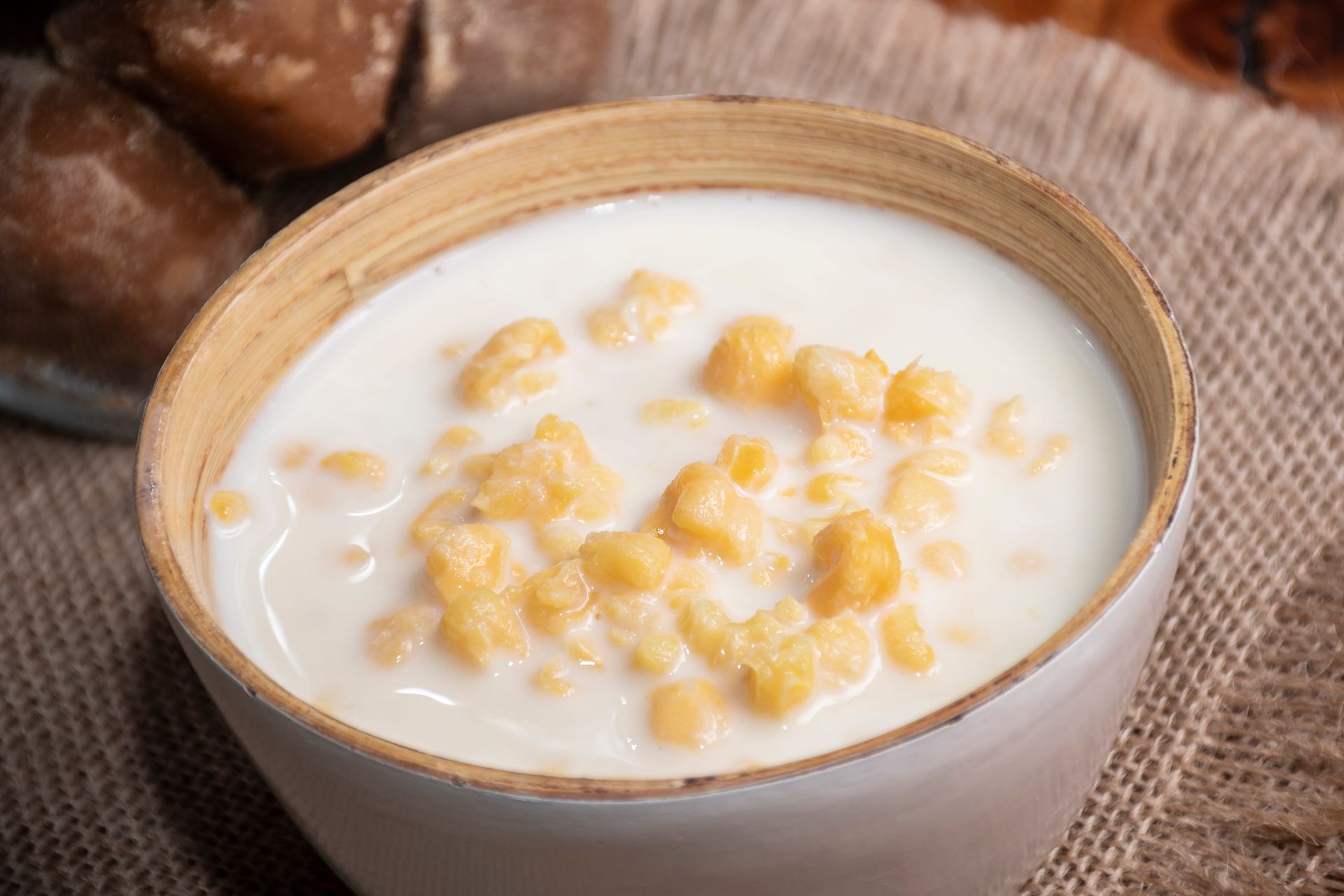
Mazamorra
Paisa mazamorra is made by slowly simmering white corn kernels in water until they reach a smooth, comforting texture. Traditionally, it is served with cold milk and panela, either grated or in chunks, which adds a distinctive sweet contrast. This simple dish has its roots in the rural cuisine of Antioquia and has been a staple of the daily diet of Paisa families for generations.
Recommended
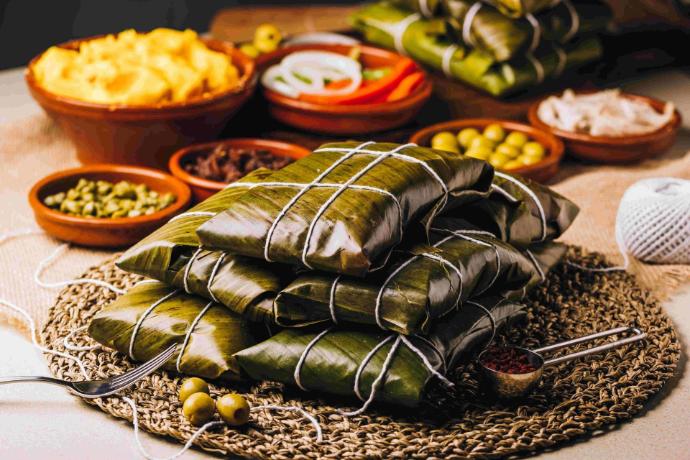
Tamal
In Medellín, it’s common to enjoy tamal paisa, especially for breakfast or on weekends when the family gets together. It’s served with an arepa and hot chocolate with cheese. Many traditional restaurants, small eateries, and market stalls offer this dish as part of Medellín’s authentic local cuisine, making it a must-try for anyone on a culinary tour of Medellín.
Recommended
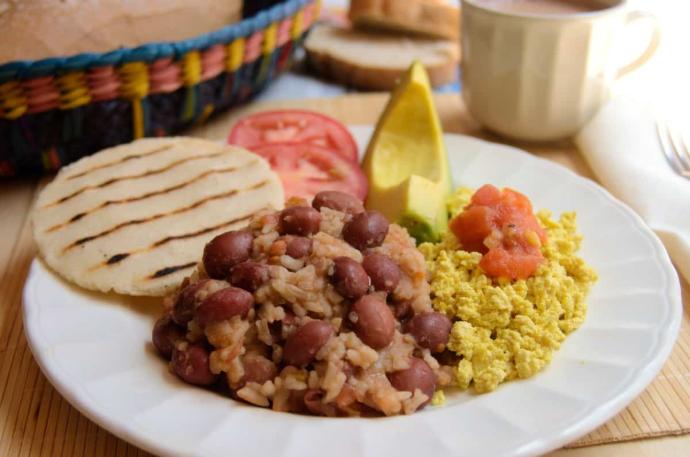
Calentado
It is traditionally prepared by mixing rice and beans and reheating them in a skillet, creating a delicious base that is usually served with a fried egg, an arepa, meat, pork rinds, or ripe plantains. Its name comes precisely from the custom of “reheating” the previous day’s food, a rural practice that over time became one of the most representative dishes of traditional Paisa cuisine.
Recommended
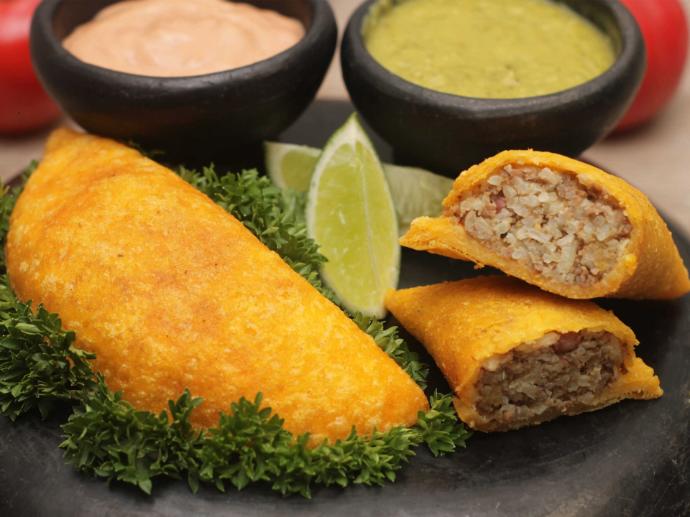
Empanada
It is one of the most iconic treats in Medellín’s cuisine; it is made with yellow corn dough stuffed with meat, potatoes, or a mixture of both. It is then fried until golden and crispy on the outside, while retaining a soft, flavorful filling inside. This popular dish is often served with homemade chili sauce or a few drops of lemon juice, which further enhances its distinctive flavor. It is very common to find it in market squares and street food stalls, where it is a staple of authentic local cuisine.
Recommended
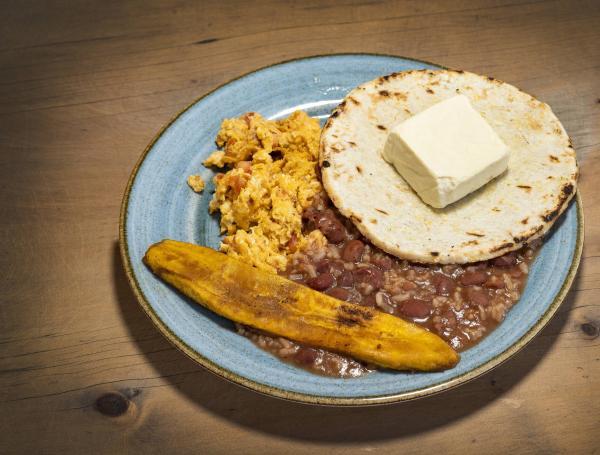
Arepa
It is one of the most iconic foods of Antioquia’s traditional cuisine, with origins dating back to the indigenous cultures that inhabited the region and relied on corn as a staple of their diet. Over time, this dish became an integral part of Paisa culture, evolving into an everyday symbol found in homes, towns, and family traditions. Its significance goes beyond the culinary, as it is a symbol of cultural identity. To taste an arepa is to understand why this food is so important in everyday life.
Recommended
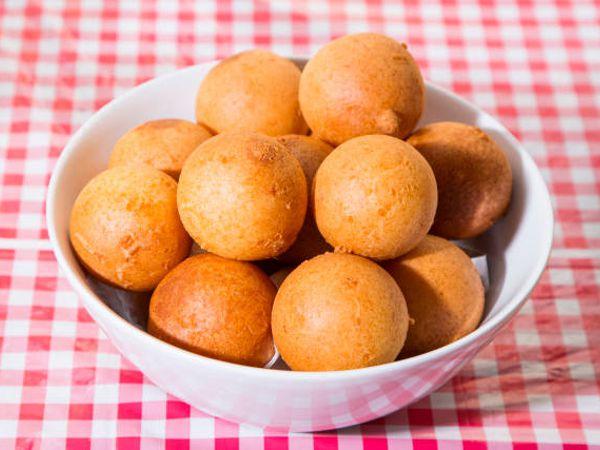
Buñuelo
Among the most iconic treats of Antioquia’s cuisine are buñuelos, a delicious dish that is part of the region’s culinary traditions and is highly prized by visitors to Medellín. Crispy on the outside and soft on the inside, buñuelos are one of the most recognizable flavors in Medellín’s traditional cuisine. Although they are eaten year-round, buñuelos in Medellín are especially popular during Christmas, when they take center stage during the holiday season.
Recommended