Medellín, Colombia’s second-largest city and the capital of the department of Antioquia, captivates travelers with its rich culture, remarkable urban transformation, and extraordinary geography. Surrounded by mountains and bisected from south to north by the Medellín River, the city offers unique landscapes, climate, and experiences that have made it one of Colombia’s most attractive tourist destinations.
The Valley
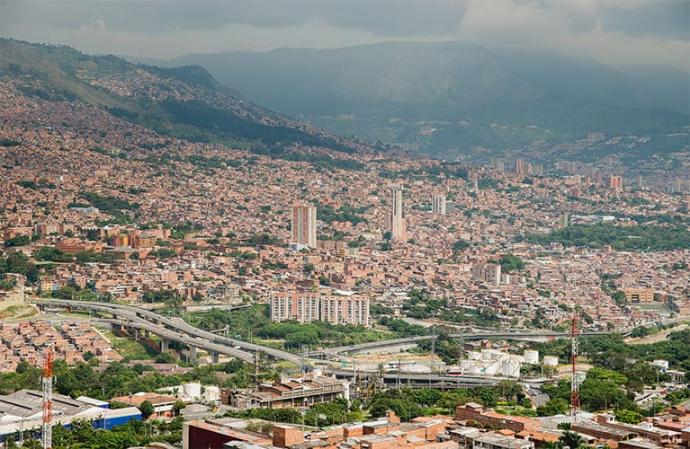
The Aburrá Valley comprises ten municipalities that make up the metropolitan area, including Medellín, which serves as the main cultural and tourist hub of Antioquia. Thanks to its location, the Aburrá Valley has become an ideal gateway for those who wish to visit Medellín and discover the richness of Paisa culture.
Visitors can explore traditional neighborhoods, enjoy natural lookouts and urban parks, and get a firsthand look at the social transformation that has made Medellín a model of urban innovation.
The combination of mountains, city life, and culture makes the Aburrá Valley a unique destination in Latin America. For many travelers, visiting Medellín also means discovering this valley, whose lush landscape has shaped the identity and entrepreneurial spirit of the Paisas.
The Weather
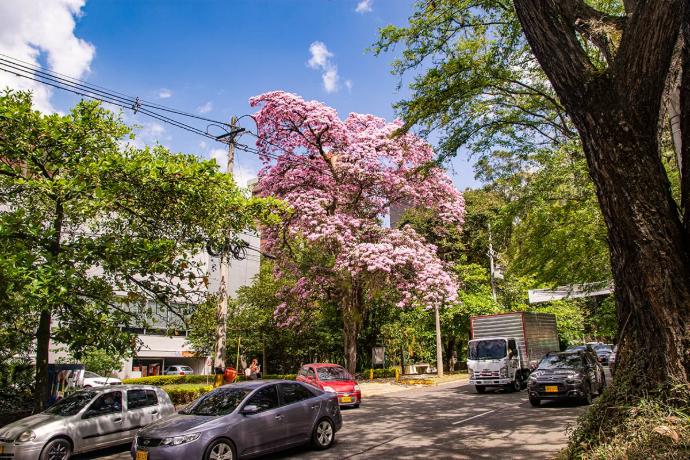
Thanks to its prime location in the Andes and an elevation of approximately 1,500 meters above sea level, Medellín enjoys a mild and pleasant climate year-round. These geographical conditions make the climate one of the city’s biggest draws for visitors.
The city’s average temperature is approximately 25 °C, allowing visitors to enjoy sunny days and cool nights year-round. Thanks to this ideal climate, Medellín is known worldwide as “the city of eternal spring,” a nickname that reflects the constant sense of well-being experienced by those who stroll through its streets.
The River
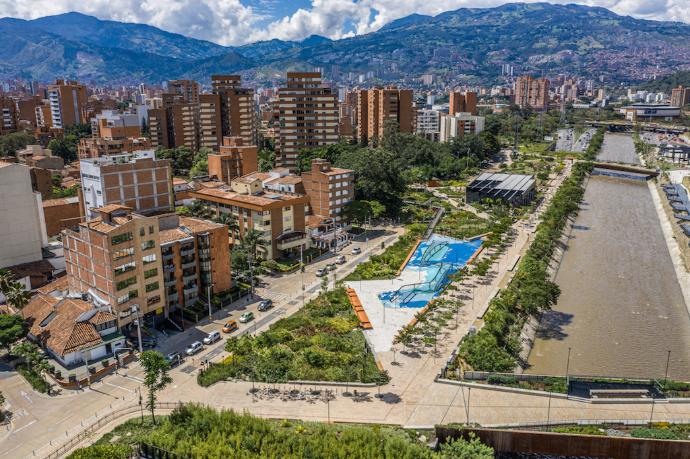
The Medellín River is one of the most important geographical features of Medellín and has played a fundamental role in the city’s historical, urban, and economic development. This river flows through the Aburrá Valley from south to north and, since the region’s earliest days, has served as the natural axis around which the territory’s expansion has been organized.
Throughout its course, the river has shaped urban planning, mobility, and the metropolitan landscape. Major transportation routes run along its banks, as does the public transit system that connects the city’s various neighborhoods.
The Parks
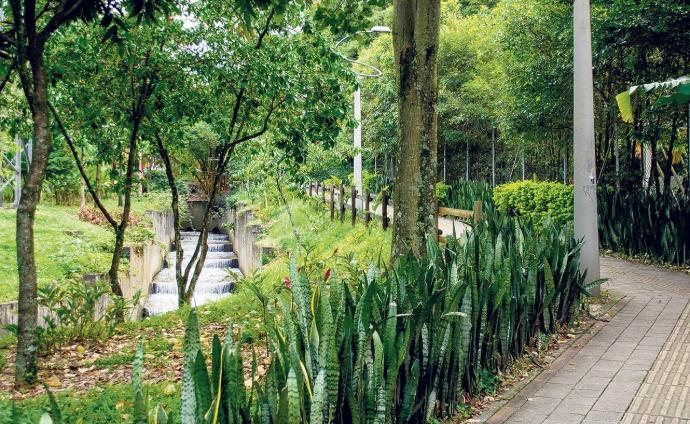
Parks are an essential part of Medellín’s urban landscape and daily life. Thanks to its pleasant year-round climate and its location in the Aburrá Valley, the city boasts numerous green spaces that combine nature, culture, and recreation.
These areas offer ideal spots for walking, enjoying the cityscape, experiencing the local culture, and interacting with the city’s residents.

People
Paisa culture, an essential part of Antioquia’s identity, is reflected in the character of its people. The Paisas are known throughout the country for their hard-working attitude, creativity, and ability to overcome challenges. These qualities have been instrumental in transforming Medellín into a modern, innovative, and culturally vibrant city.
In addition to its renowned hospitality, it is known for its cheerfulness and its ability to enjoy everyday life. In parks, cafés, markets, and cultural venues, it is common to find open and welcoming atmospheres where visitors feel right at home.