Sopetrán is one of Antioquia’s leading fruit producers. Its warm climate and fertile soil are ideal for growing a wide variety of tropical fruits that supply Medellín and other towns in the department, making it a key municipality for food security and Antioquia’s agricultural tradition..
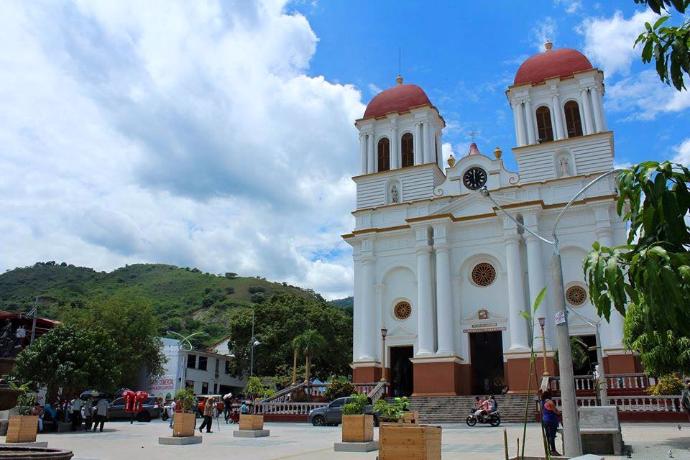
Sopetrán was one of the first settlements in western Antioquia, emerging as a strategic hub along trade routes and as a link between the mountains and the warmer regions. Its history is intertwined with the colonization of Antioquia, rural labor, and the use of its fertile climate for agriculture.
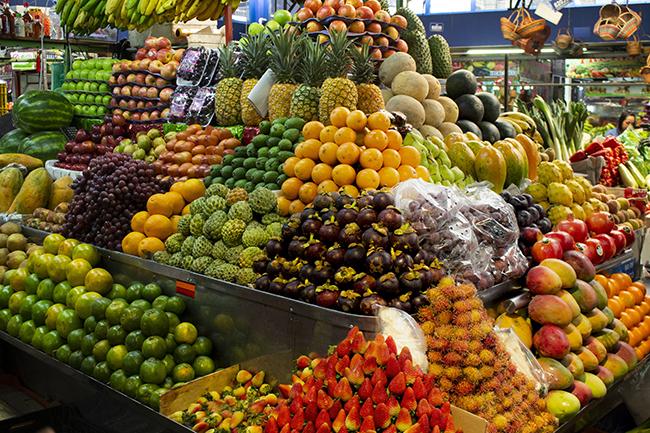
Sopetrán strengthens Medellín’s food supply chain, bringing freshness and variety to local markets. This exchange not only boosts the rural economy but also connects the countryside with the city, promoting the development of traditional agriculture.
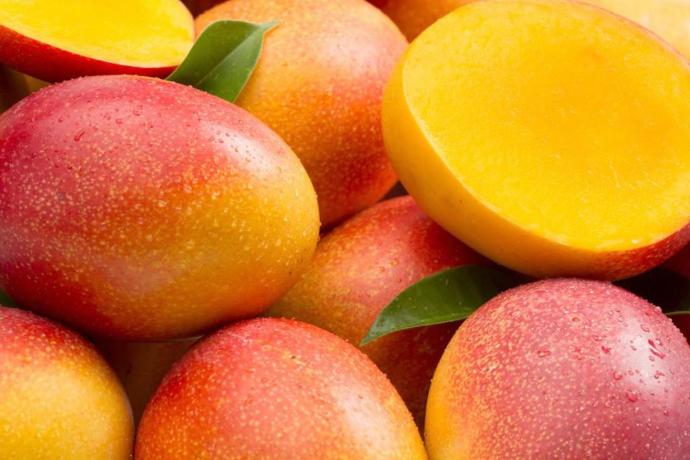
The mango is native to South Asia, particularly the region spanning present-day India, Myanmar, and Bangladesh. It has been cultivated there for thousands of years and is an integral part of the area’s agricultural and cultural history.
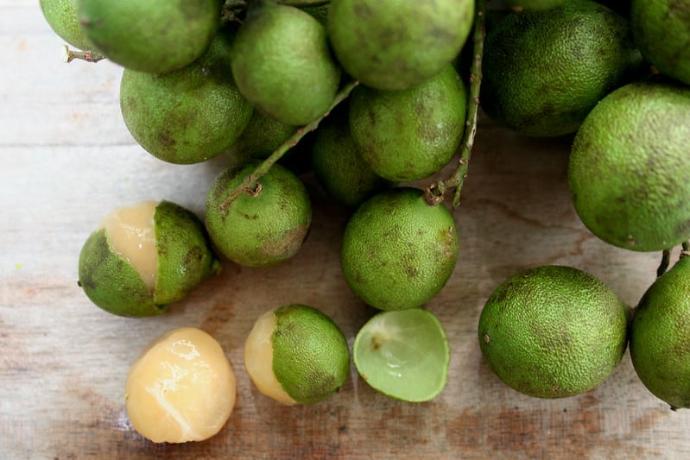
The soursop is native to the tropical regions of the Americas, particularly northern South America, Central America, and the Caribbean. It is considered native to areas that today correspond to countries such as Colombia, Venezuela, Panama, and several Caribbean islands.
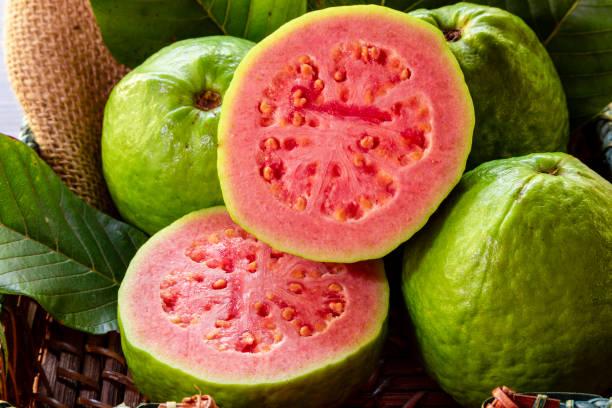
Guava is prized for its aroma, sweet flavor, and freshness, and is enjoyed both as a fresh fruit and in juices, sweets, and artisanal products. Its cultivation is part of the local agricultural heritage and strengthens the municipality’s identity
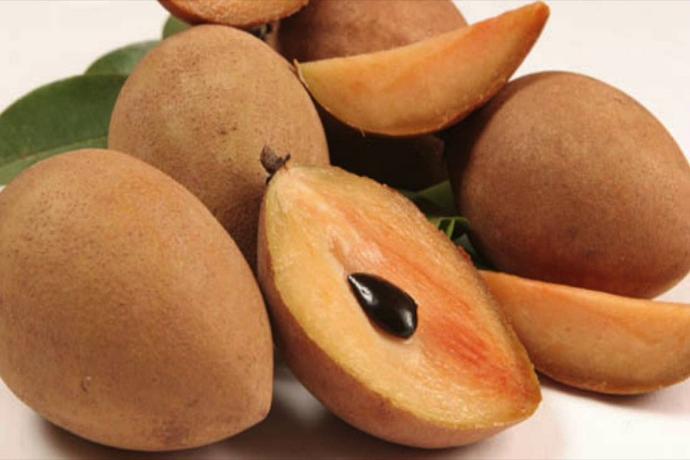
The sapote is part of the agricultural diversity that defines the municipality as a land of tropical fruits in Antioquia. Its production bolsters the rural economy, where visitors can discover traditional crops and the region’s authentic flavors.