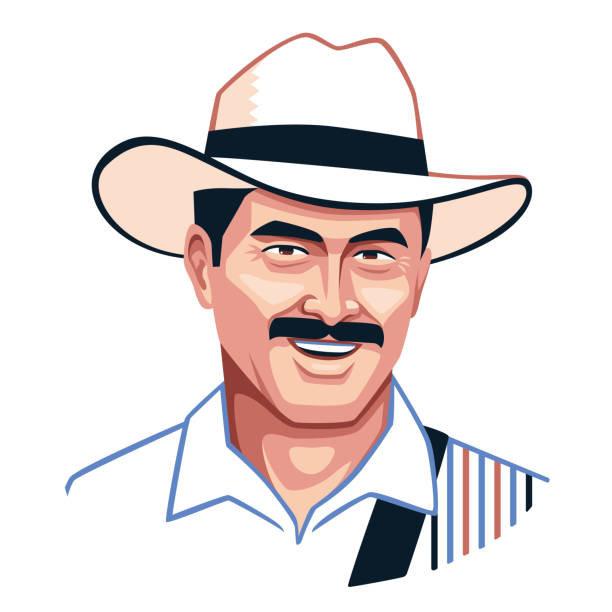
Getting to know Medellín and Antioquia goes far beyond visiting its main tourist attractions. It means discovering the history behind each place, understanding how its mountainous geography shaped the character of its inhabitants, and connecting with the communities that keep alive the traditions, crafts, and knowledge that have built the identity of the Paisa culture. Experiencing the destination from the perspective of its residents allows you to explore heritage towns, talk with coffee growers, artisans, and flower growers, savor the local cuisine, and learn about the stories of resilience, innovation, and entrepreneurship that have made Medellín and Antioquia one of the most dynamic and fascinating regions in Colombia.
Urban Medellín
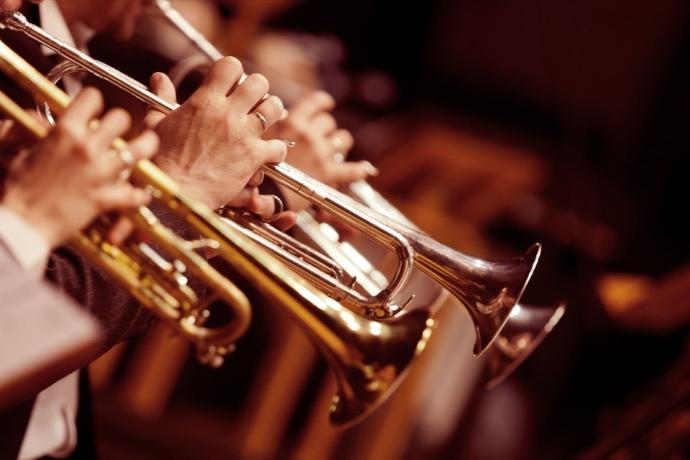
Musical culture
Medellín maintains a tango tradition that remains alive in spaces where this genre continues to be part of the city's cultural heritage. This heritage is complemented by a distinguished symphonic and choral tradition, fostered by music schools and artistic training programs that have contributed to the development of new talent.

Urban art
Over the past few decades, art has played a fundamental role in reclaiming public spaces and strengthening communities' sense of belonging. What were once anonymous walls have now become canvases reflecting cultural diversity and the desire for peacebuilding.
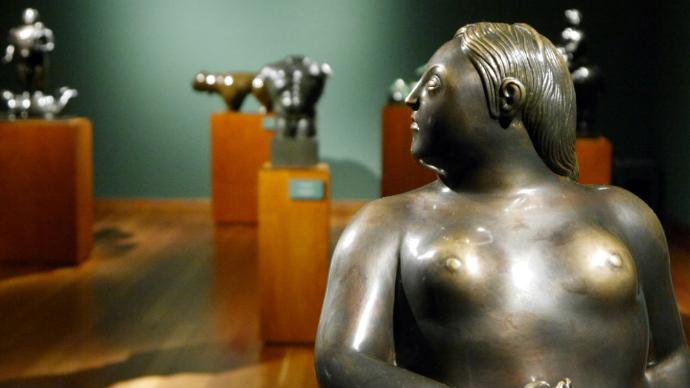
Contemporary Art
Exploring Medellín is to journey through a city where architecture, design, urban art, and new forms of creation coexist, reflecting the talent of both established and emerging artists. Each work invites us to understand how art has accompanied the city's transformation, strengthening the dialogue between culture, innovation, and citizen participation.
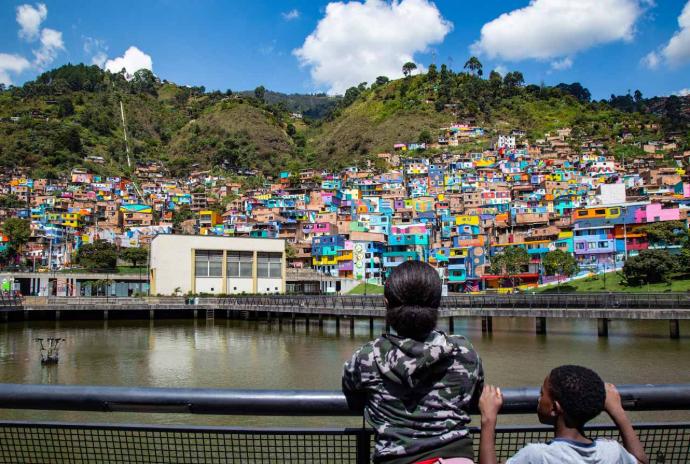
Urban culture
This process has been based on a vision of the city that understands public space as a place for encounter, inclusion, and the building of citizenship. The creation of transportation systems and architectural projects has brought isolated communities closer together and improved the quality of life for their inhabitants.
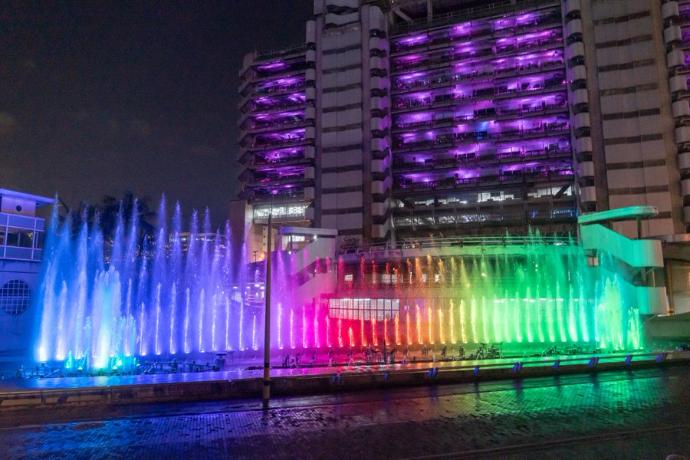
Christmas
Every year, Medellín transforms with millions of lights, monumental figures, and spectacular shows that illuminate parks, avenues, plazas, and public spaces, offering a unique experience. The Christmas Lights have become a symbol of the city and one of the most representative cultural expressions of this season..
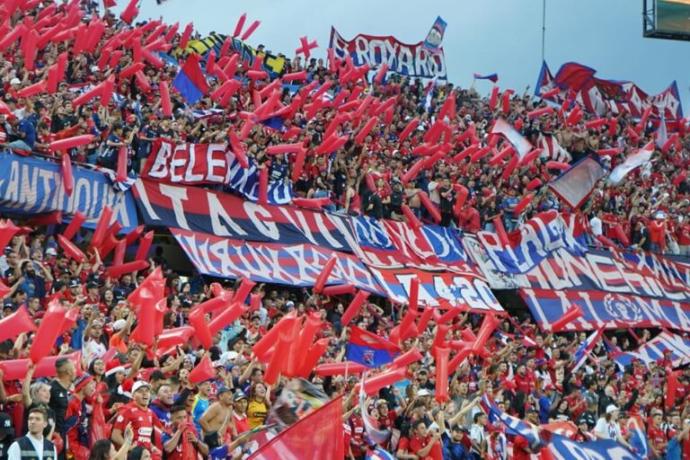
Football culture
Discovering the passion for football in Medellín is much more than attending a match. It's about learning the stories behind its clubs and experiencing the excitement that fills the air before, during, and after each game. This experience allows you to understand how football has shaped its identity and why it holds such a special place in the city's heart.
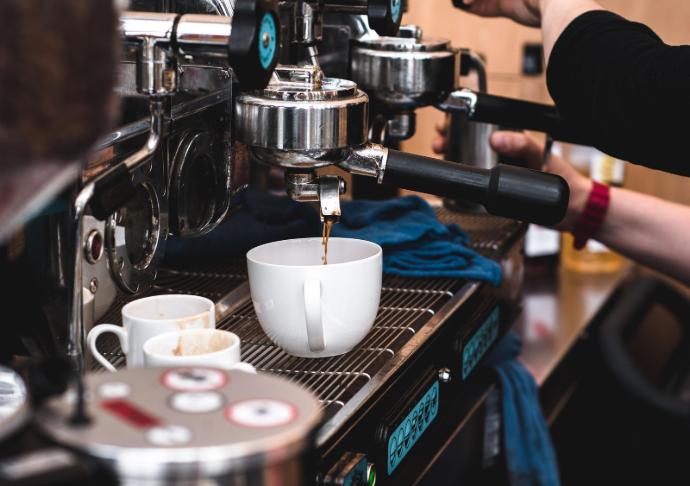
Coffee culture
More than just enjoying an excellent cup of coffee, visitors get closer to a culture built on family work, sustainability, innovation, and deep knowledge passed down through generations, turning each experience into an authentic encounter with one of Antioquia's greatest cultural and productive heritages.
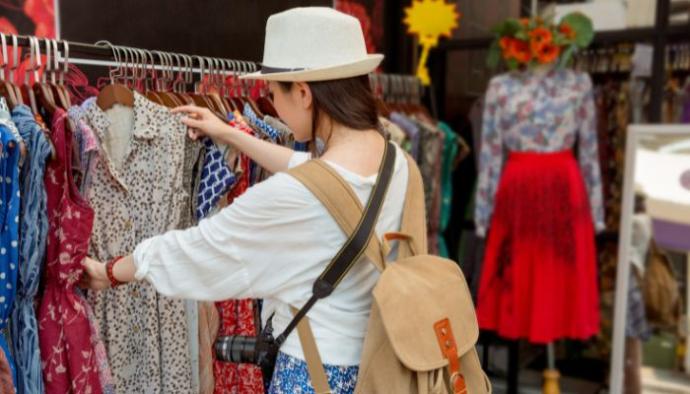
Design and fashion
Medellín's textile tradition gave rise to a production chain that integrates the design and manufacture of garments and accessories. This industry combines the experience of entrepreneurs and artisans with the talent of young designers who have taken Colombian fashion to international stages thanks to designs that stand out for their quality, sustainability, and identity.
Rural Antioquia
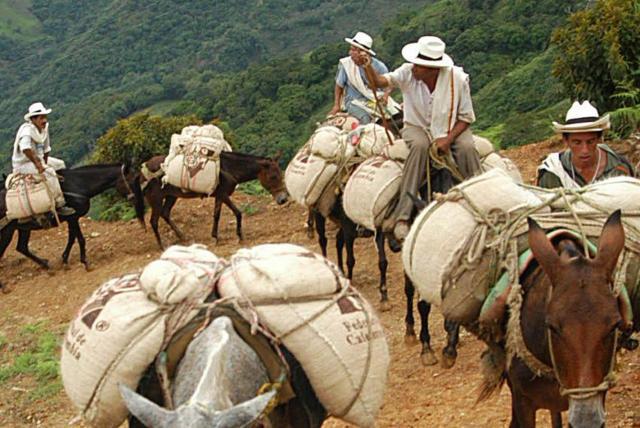
Paisa muleteer
He traveled the bridle paths transporting coffee, food, and goods between towns and mountains, connecting regions and making trade and the Antioquian colonization possible. His entrepreneurial spirit, discipline, solidarity, and ability to overcome the challenges of the territory gave rise to many of the values that today define the Paisa culture.

Chair tradition
The history of the silleteros (flower carriers) dates back to colonial times, when the inhabitants of Santa Elena used silletas, wooden structures carried on their backs, to transport people and goods along the roads connecting the villages with Medellín. Today, it represents the effort and entrepreneurial spirit of the rural families of Antioquia.
Colonial heritage
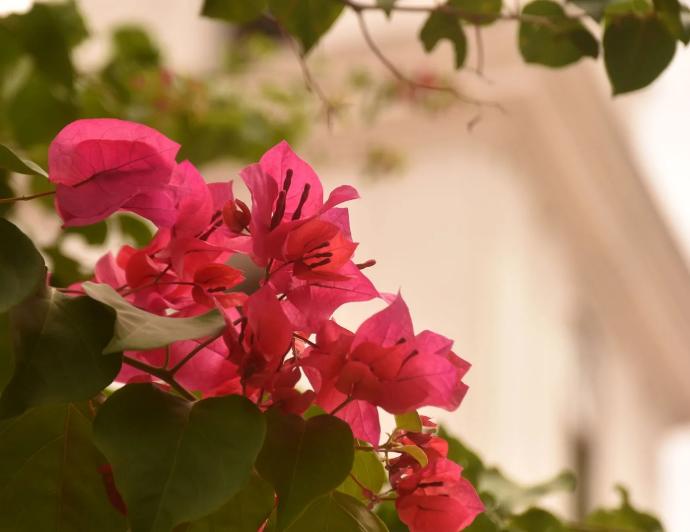
Walking through the streets of Santa Fe de Antioquia is like stepping back in time. Its houses, with their wide corridors, interior courtyards, wooden balconies, and facades adorned with colonial details, preserve the atmosphere of a city that has safeguarded its architectural heritage for over four centuries. Its historic buildings bear witness to the influence of Spanish urban planning.
Coffee culture
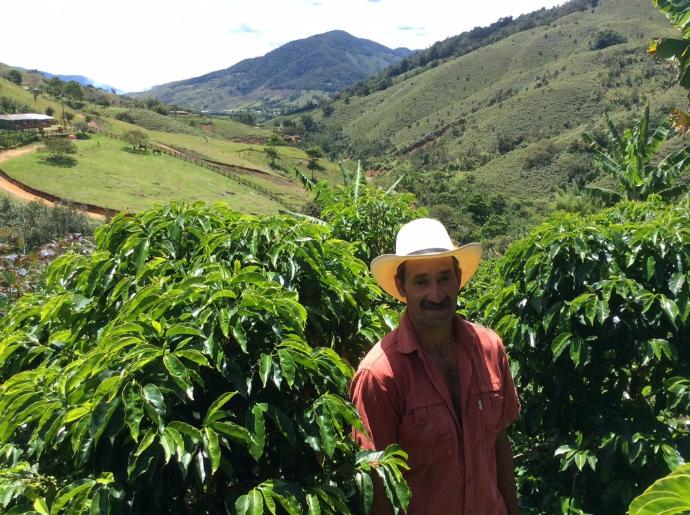
Coffee cultivation began to expand in Antioquia during the 19th century, favored by the climate, the rich volcanic soils, and the mountains of the Central and Western Cordilleras. There, family labor, landscape preservation, and traditional knowledge gave rise to a culture deeply connected to the land and agricultural work.
Handmade ceramics
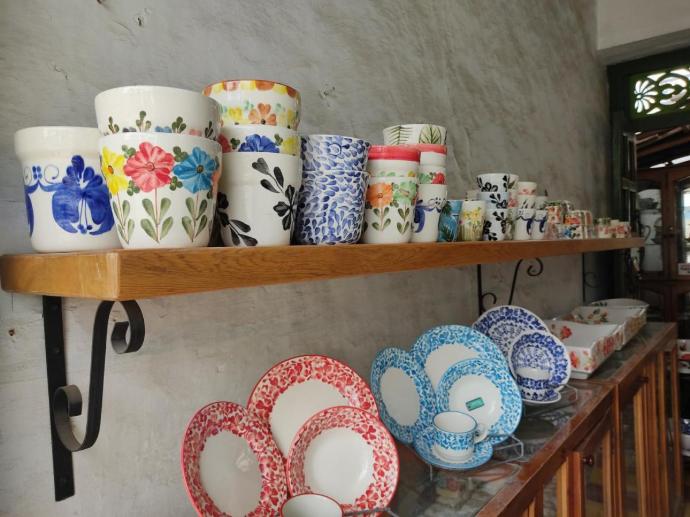
El Carmen de Viboral is distinguished by its delicate hand-painted designs, inspired by nature, flowers, and the landscapes of Antioquia. Each decorative piece is a unique work of art, crafted entirely by hand. This knowledge has been passed down through generations, becoming a symbol of Antioquia's cultural identity.
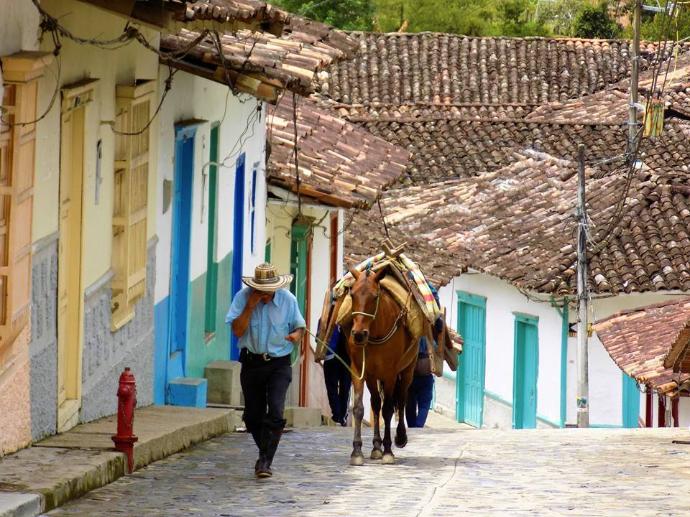
Paisa traditions
The traditions of Concepción are reflected in the hospitality of its inhabitants, its typical cuisine, muleteering, religious celebrations, traditional music, and a deep respect for its historical heritage. Here, it is still possible to discover artisanal crafts, interact with local communities, and learn about customs that have been passed down from generation to generation since the colonial era.
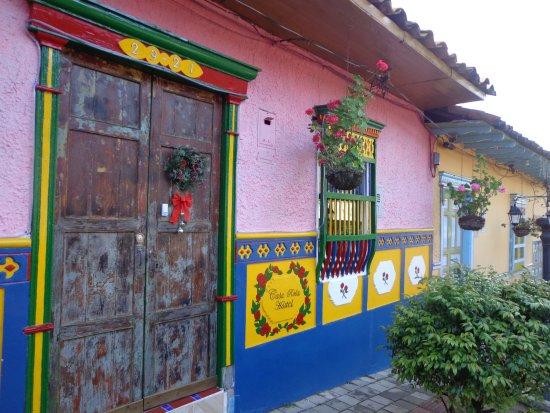
Guatapé's baseboards
Each baseboard tells a story. Their designs depict elements of daily life, such as flowers, animals, agricultural products, local figures, commercial activities, and religious symbols. Others show scenes related to the Paisa culture, farming, and the wealth of Guatapé. Transforming the streets into an open-air art gallery where each facade expresses the pride of its inhabitants.
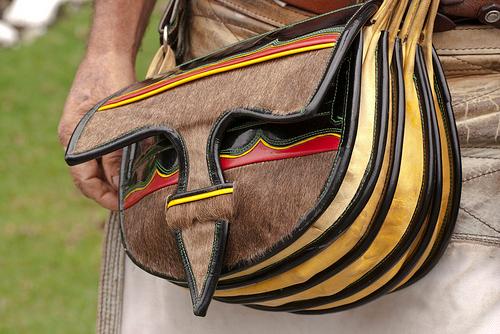
Paisa carriel
It is characterized by its twelve pockets, designed to carry the muleteer's essential items in an organized manner, such as money, documents, tobacco, tools, a knife, needles, and personal belongings. Its practical design reflected the hardworking and entrepreneurial spirit of the muleteers, who played a fundamental role in the colonization of Antioquia and the development of the region.
Being a local means exploring the city and its surrounding towns with a fresh perspective, forging genuine connections with the people, the heritage, and the land. These experiences create lasting memories, enhance traveler satisfaction, and strengthen their emotional bond with the destination, sparking a desire to return and discover new stories, landscapes, and cultural expressions. In this way, travel agencies offer not just a tour, but an immersive cultural experience that adds significant value for their clients, fosters loyalty, and positions Medellín and Antioquia as a destination that is not only visited, but truly experienced, understood, and remains etched in the traveler's memory long after they've returned home.