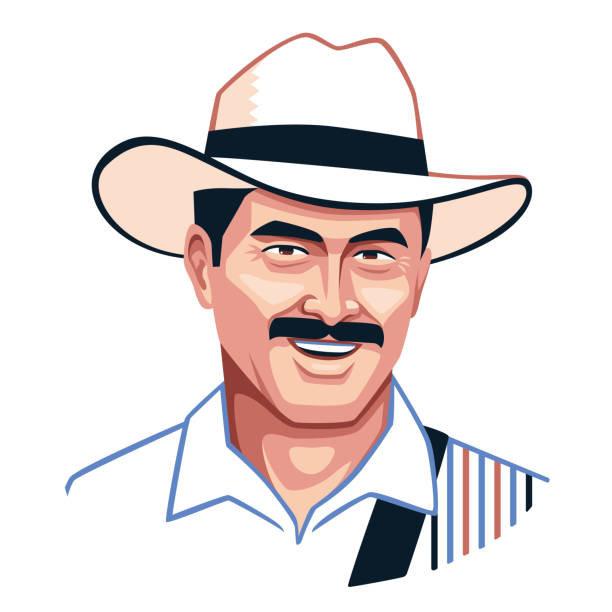
Medellín and Antioquia constitute a living classroom for learning, research, and knowledge exchange, where territory, history, heritage, and urban transformation become stages that allow for an interdisciplinary understanding of the social, economic, cultural, and environmental processes that have defined the identity of one of Colombia's most dynamic and innovative regions. The old bridle paths, muleteering, the Antioquian colonization, the development of mining, coffee culture, architectural heritage, industrialization, and the evolution of the transportation system form an exceptional academic laboratory for analyzing how the territory has influenced the construction of a society with an entrepreneurial spirit, adaptability, and a constant search for solutions to its challenges.
History and Heritage
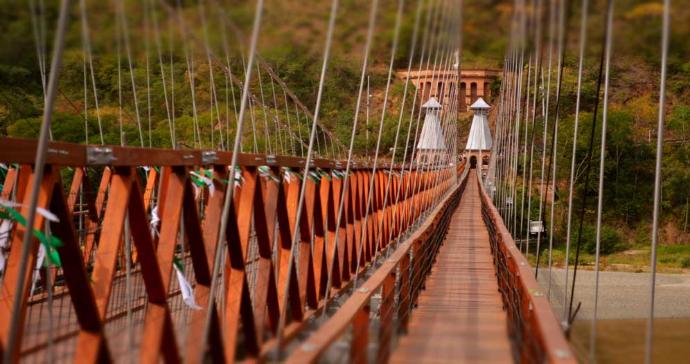
Regional development:
The Andes Mountains, deep canyons, and the mighty Cauca River made transportation difficult. Crossing the river was done by rafts and canoes, a slow and unsafe system dependent on weather conditions and a constant risk to travelers. The Western Bridge became an essential link in the network of bridle paths that spurred Antioquia's progress. From an engineering standpoint, this structure was considered one of the most advanced in Latin America at the end of the 19th century. This experience allows us to analyze the relationship between engineering, infrastructure, connectivity, and economic development in the construction of the Antioquian territory.
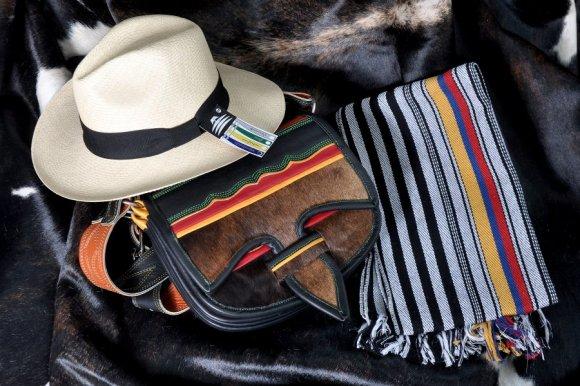
Muleteer attire:
The traditional clothing of the Paisa region was much more than just a way of dressing; it was an indispensable tool for facing the demanding conditions of the mule trails. Each garment responded to a need for protection and durability, becoming a symbol of the muleteer identity. This experience allows us to understand how material culture reflects the adaptation of communities to the land and the construction of the Paisa identity.
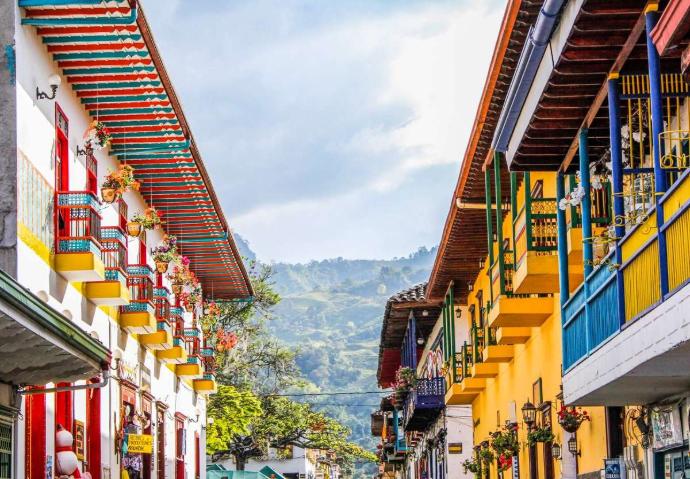
Antioquian architecture:
The mountainous geography and the availability of materials determined the construction techniques of the time. Wood, wattle and daub, bamboo, adobe, clay tiles, and stone were the main materials used to build sturdy, functional homes adapted to the region's climate. The architecture of the Antioquian colonization constitutes one of Colombia's most valuable cultural heritages and reflects the history, ingenuity, and adaptability of the settlers. Students will be able to recognize how the architecture reflects the communities' adaptation to the land and the availability of natural resources.
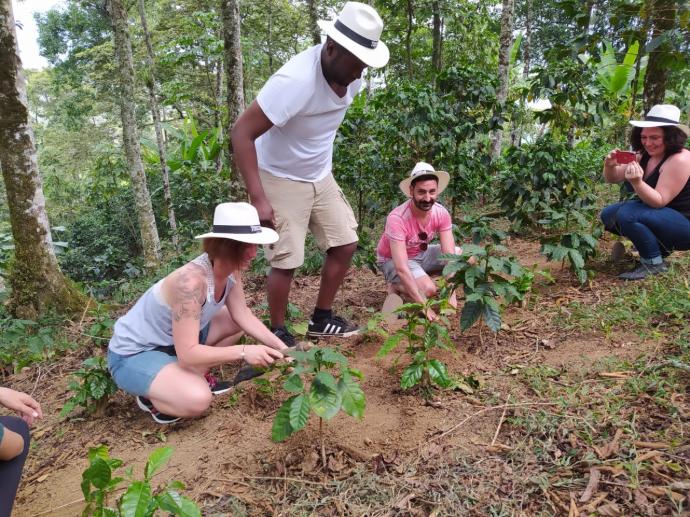
Cultural landscape:
It is one of the most authentic expressions of Colombian cultural heritage and a reflection of the hard work, dedication, and entrepreneurial spirit of the Antioquian coffee growers. For over a century, coffee has transformed the economy, landscape, and identity of the Antioquian mountains, becoming a symbol of progress and one of the products that has carried Colombia's name to international markets. Behind every cup of coffee lies a story of family effort, agricultural knowledge, and respect for nature..
Learn more 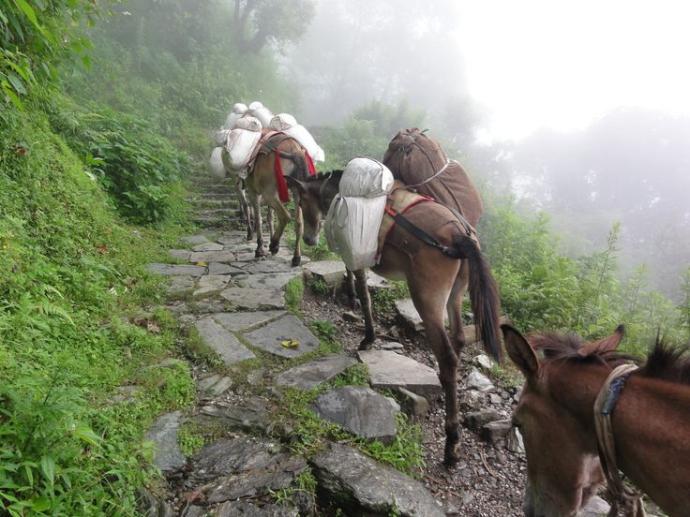
Bridleways:
These trails crossed the Andean mountain range, connecting towns, mines, and trading centers. The bridle paths became the true arteries of Antioquian progress, enabling the founding of settlements and the exchange of goods. Traveling these routes required overcoming a geography as spectacular as it was challenging. The paths climbed mountains, descended into deep canyons, skirted precipices, and crossed raging rivers where rain and mud transformed each journey into a titanic challenge..
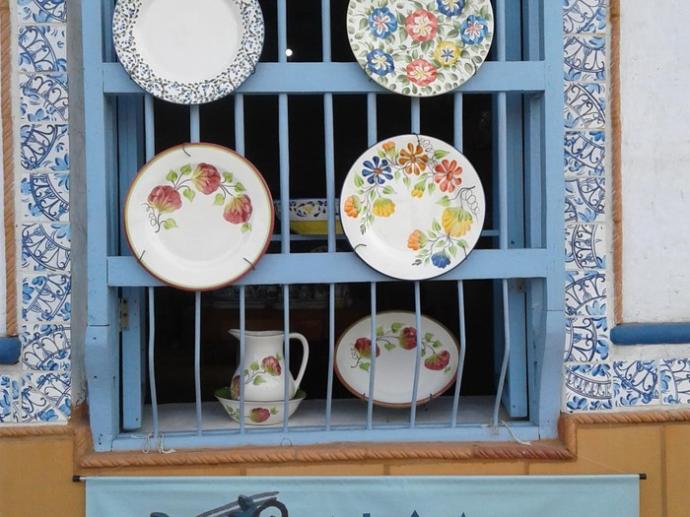
Handmade ceramics:
Pottery in El Carmen de Viboral began thanks to the clay deposits in the region and the knowledge of the artisans who found in this material an opportunity to create useful objects. Over time, family workshops perfected their techniques, developing a distinctive style, entirely hand-painted, where elements inspired by nature predominate. Today, their pieces are recognized for their artistic quality and are one of the symbols of Antioquia's heritage. This experience allows us to understand the relationship between heritage, identity, artisanal tradition, and local economic development.
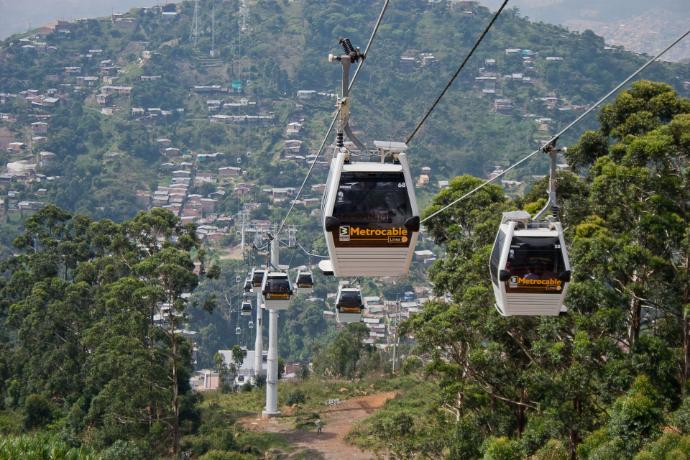
Integrated mobility:
Medellín is surrounded by the Colombian Andes mountain range, a geography that allowed for the growth of numerous neighborhoods on steep hillsides. For decades, these communities faced difficulties accessing employment, education, healthcare, and other services due to the challenging terrain and long commutes to the city center. The response to this challenge was an innovative mobility model that turned geography into an opportunity.
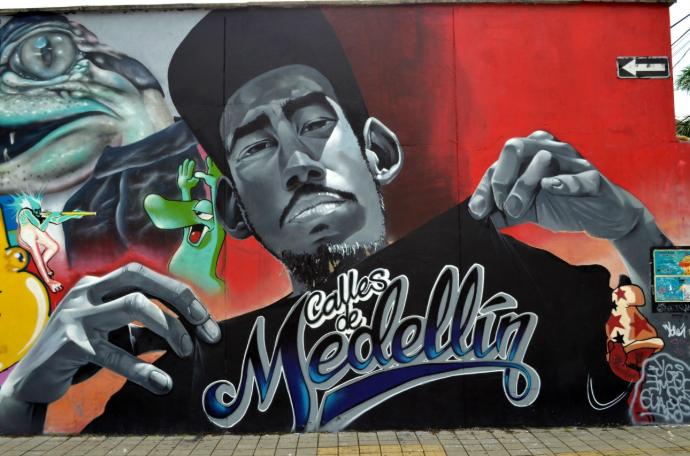
Social inclusion:
Over the years, Medellín's transformation was made possible by the combined efforts of communities, public institutions, social organizations, the private sector, and thousands of citizens who embraced education, culture, community participation, and urban development as tools for building new opportunities. In this process, urban art played a fundamental role as a means of expression, memory, and connection among communities. Participants analyze how citizen participation, social urbanism, and culture can become tools for building more inclusive and resilient cities.
Each academic program is designed in accordance with the institution's learning objectives, integrating field trips, technical visits, meetings with experts, and cultural experiences that strengthen the training of students, faculty, and researchers. Our purpose is to transform Medellín and Antioquia into a learning environment where history, heritage, culture, and innovation allow us to understand, from a local perspective, the challenges and opportunities of contemporary development..