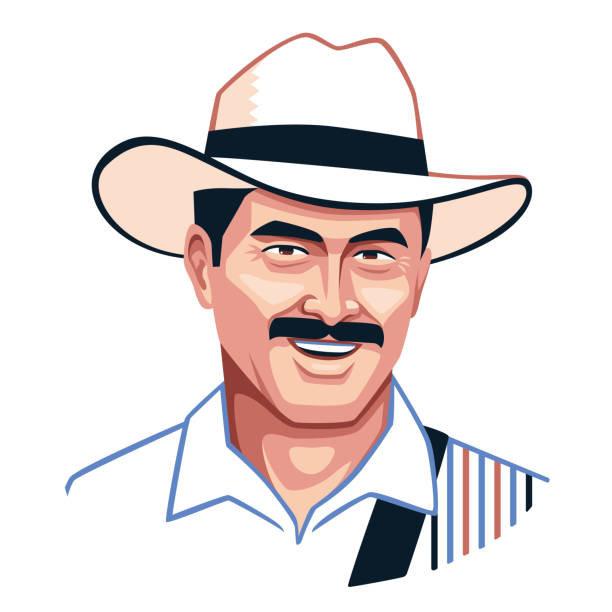
Titiribí was an important stop along the ancient mule trails that connected Antioquia with the Cauca River and the coffee-growing regions. Recognized as the “Mule Capital of the World,” it pays tribute to the animal that made transportation, trade, and the integration of the mountainous regions possible, becoming a symbol of the hard work and culture of the Paisa muleteers.
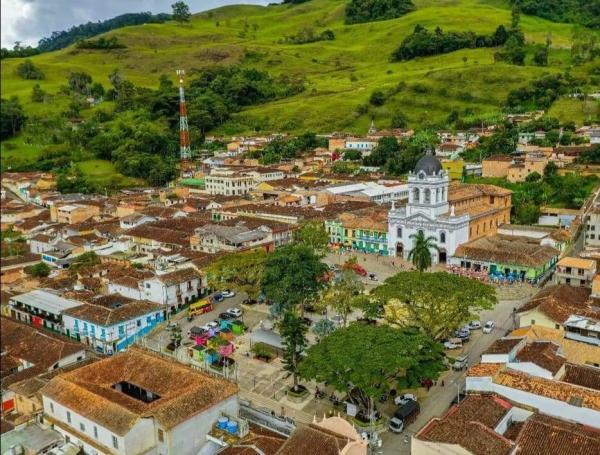
This municipality is home to the iconic El Zancudo Mine, one of the most important mining complexes of the 19th century, whose wealth fueled Antioquia’s economy and contributed to Medellín’s industrial development. This legacy makes Titiribí a destination for gaining insight into the region’s economic history.
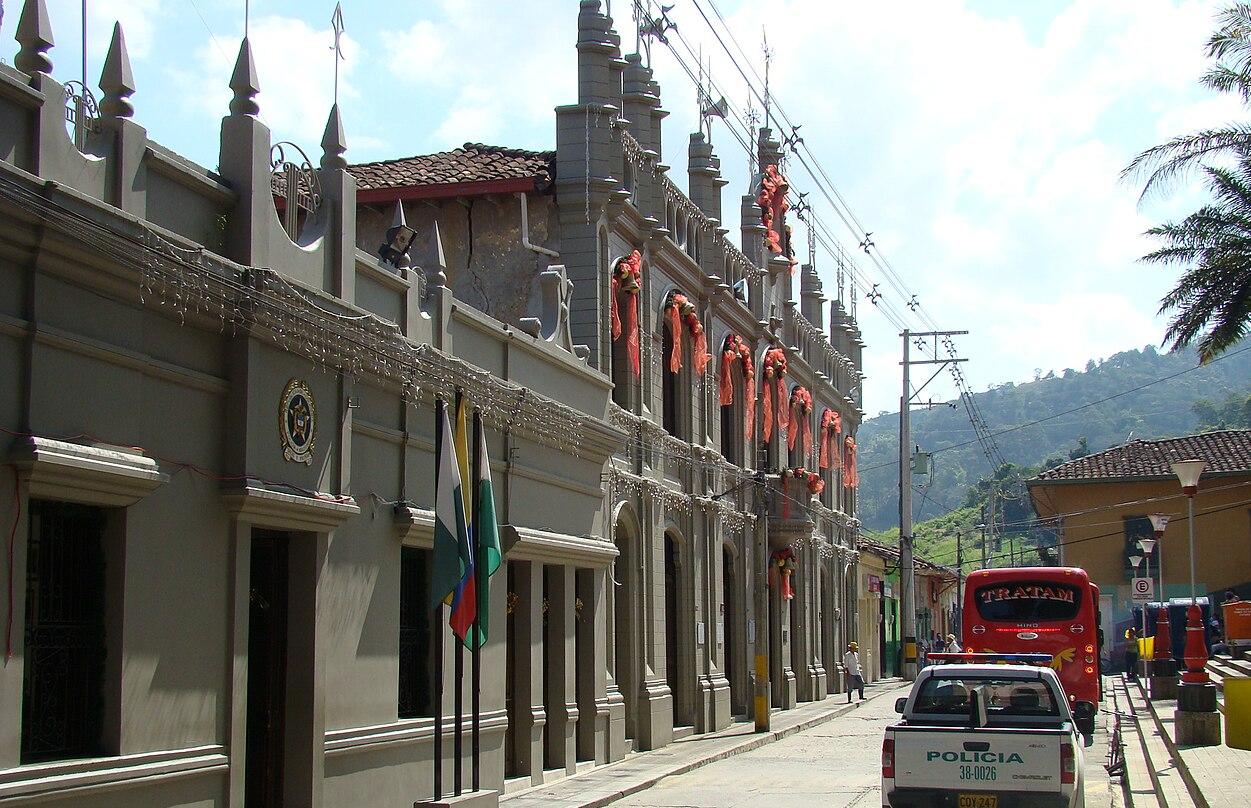
City Hall is one of the most iconic landmarks of the architectural heritage in southwestern Antioquia, noted for its historic design and cultural significance. The building was designed by the renowned Belgian architect Agustín Goovaerts, who left his mark on 20th-century architecture.
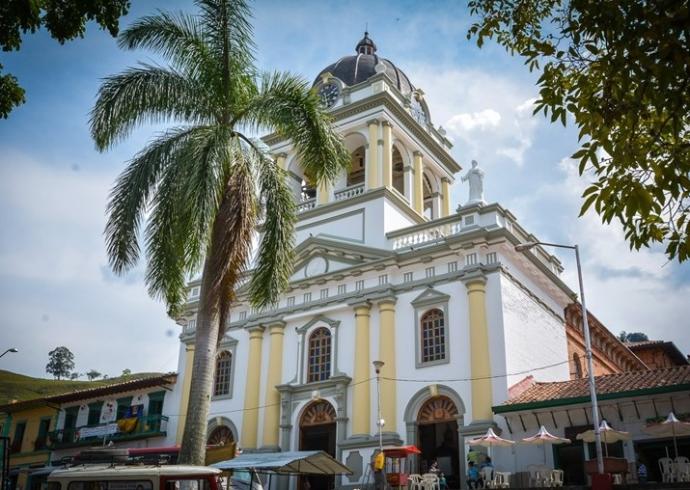
The plaza is notable for its distinctive horseshoe shape, an unusual urban design that gives it significant value within the town’s architectural heritage. This layout not only defines the town’s aesthetic but also reflects Titiribí’s historical evolution during its heyday as a mining center in the 19th century.
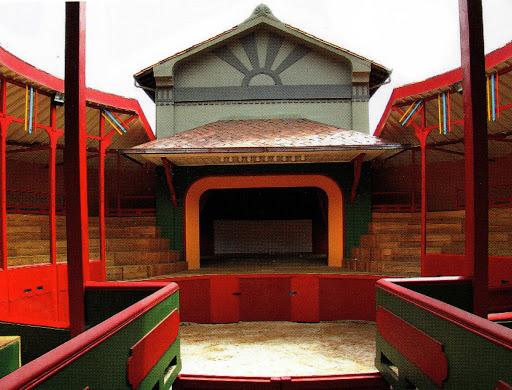
The Circo Teatro is one of the most iconic landmarks of Antioquia’s cultural heritage. This venue reflects the social and artistic boom the municipality experienced during the 19th century. Its historical significance lies in the fact that it served as a gathering place for performances, cultural activities, and community events.
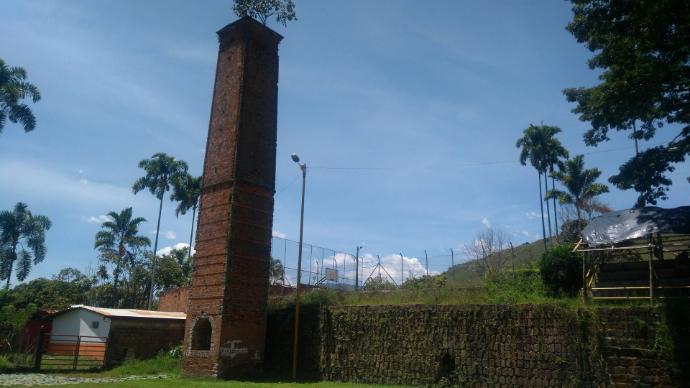
The El Zancudo Mine is one of the most significant landmarks in Colombia’s mining history and a key symbol of Antioquia’s economic development in the 19th century. This gold mine was once one of the most productive mining complexes of its time, driving the gold mining industry and attracting investment, technology, and skilled labor.
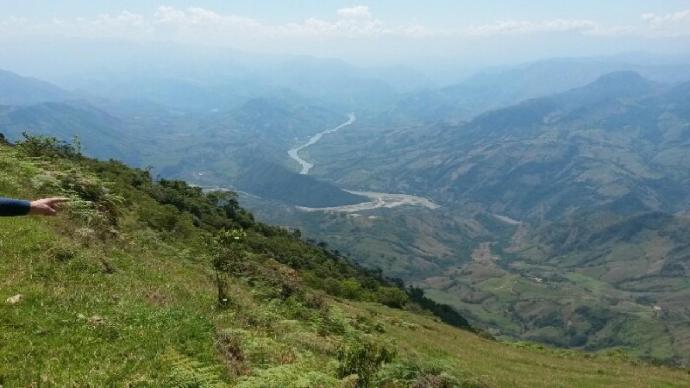
From the overlooks, you can take in the vastness of the canyon, an ecological corridor that has played a pivotal role in the history and development of the region. These views offer a sense of the geography that shaped activities such as mining and transportation.
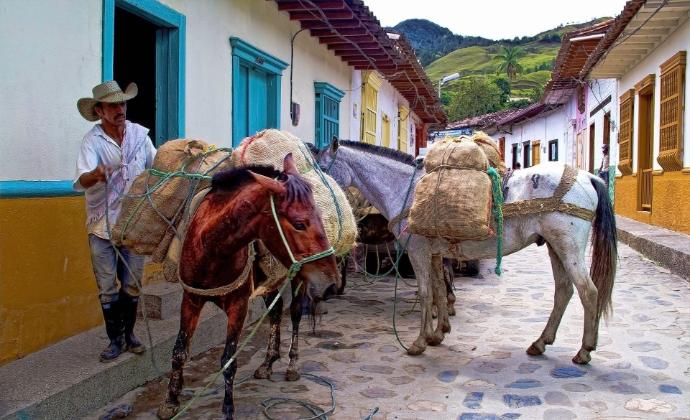
Before the arrival of the railroad and modern highways, pack mules in Antioquia played a vital role in connecting mountainous regions, facilitating the transport of goods, gold, and agricultural products between areas. They traveled along routes that linked towns such as Titiribí with Medellín.
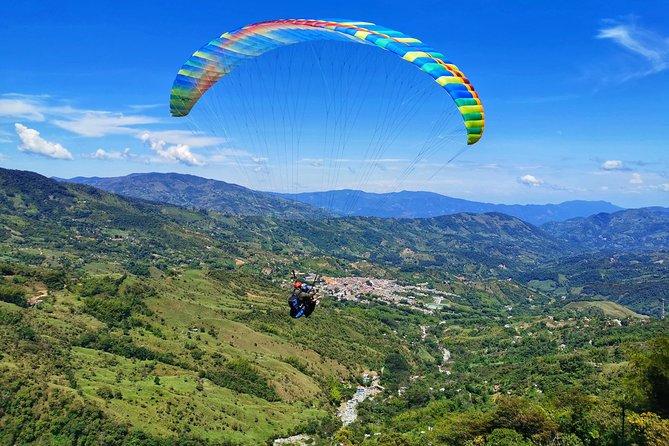
Paragliding offers a unique vantage point from which to admire the landscape of Antioquia, flying over mountains, valleys, and the Cauca Canyon, one of Colombia’s most important natural corridors.